
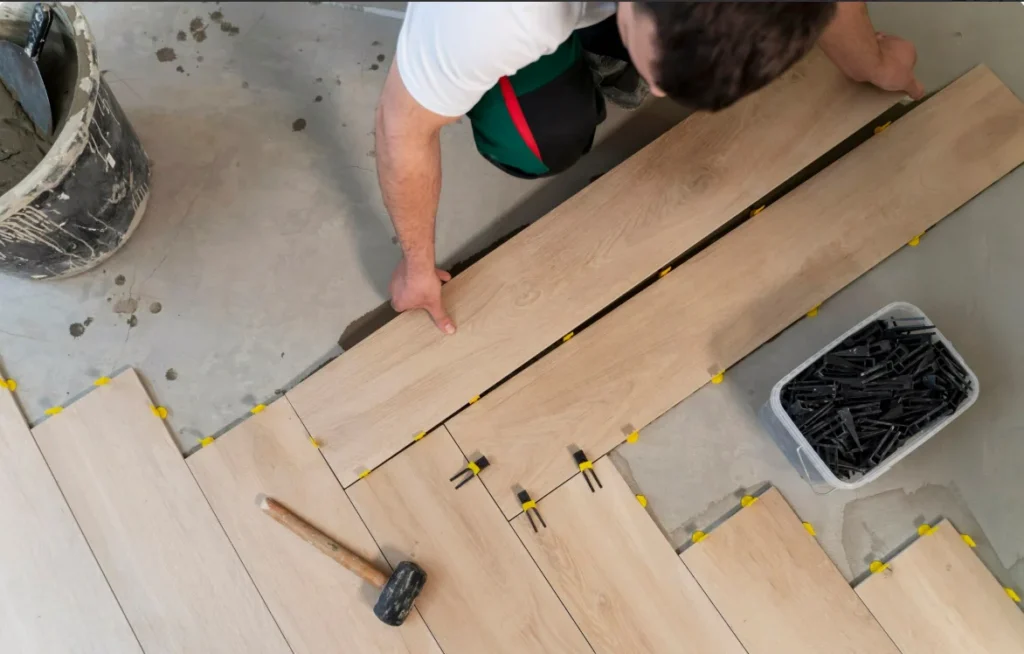
Hardwood flooring is more than just a surface to walk on; it is a timeless investment that adds warmth, character, and significant market value to any Chicago home. However, even the most durable oak, maple, or cherry planks are not invincible. Over time, the combination of foot traffic, fluctuating humidity levels in Illinois, and general aging can compromise the integrity of your wood. Understanding how to know when hardwood floors need repair is the difference between a simple, cost-effective restoration and an expensive, full-scale replacement.
At Revive 360 Renovations, we believe that proactive maintenance is the key to longevity. By identifying the early warning signs of wood fatigue, homeowners can preserve their flooring for decades. In this comprehensive guide, we will explore the critical indicators that your floors require professional attention and how to address them before they escalate.
1. Visible Scratches and Deep Gouges
It is nearly impossible to keep hardwood floors completely scratch-free, especially in households with pets or young children. While light surface scratches are often purely aesthetic and can sometimes be hidden with a touch-up kit, deep gouges that penetrate the protective finish are a cause for concern.
When a scratch cuts through the polyurethane or wax sealant, it exposes the raw wood underneath. This makes the timber vulnerable to moisture, dirt, and oils. If you notice large areas of your floor where the wood feels “toothy” or rough to the touch, it is a clear sign that the structural fibers are no longer protected. Professional buffing or a “screen and recoat” process can often resolve these issues without the need for a full sanding.
2. The Danger of Water Damage and Cupping
Chicago’s humid summers and damp winters can wreak havoc on organic building materials. One of the most urgent signs that you need hardwood floor repair is cupping. Cupping, occurs when the edges of the floorboards sit higher than the center, creating a wavy, concave appearance. This is almost always a result of a moisture imbalance, often coming from the subfloor or a hidden plumbing leak.
If left unaddressed, persistent moisture can lead to crowning (the opposite of cupping) or, worse, wood rot. According to the National Wood Flooring Association, maintaining a consistent indoor relative humidity between 30% and 50% is vital. If your floors are showing these signs, it is imperative to call a professional to perform a moisture test before the wood permanently warps.
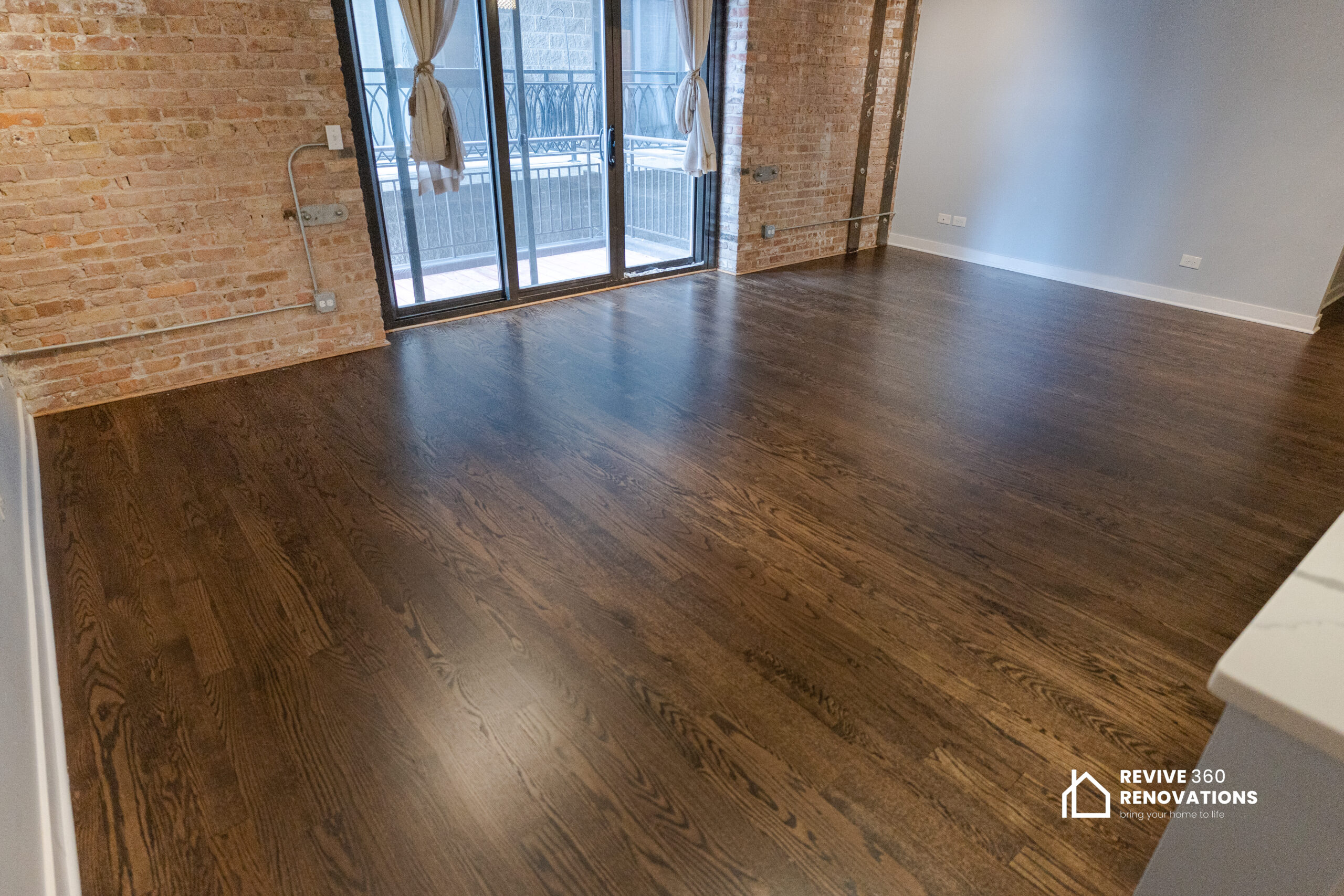
3. Discoloration and “Graying” Planks
Have you noticed patches of your floor turning a dull gray or even black? This is a significant indicator of finish failure. When the protective topcoat wears away, the wood begins to oxidize when exposed to air and moisture. Graying is a final warning that the wood is absorbing liquids.
If you ignore graying, the wood will eventually turn black, which usually signifies deep-seated mold or advanced rot that cannot be sanded out. In such cases, individual plank replacement becomes necessary. Acting while the wood is merely gray allows a restoration specialist to sand the surface and apply a fresh seal, effectively “resetting” the life of the floor.
Understanding the Structural Integrity of Your Wood
Beyond the surface, the physical stability of your flooring matters. If you experience excessive gaps between boards, it may be a sign that the wood has dried out too much or that the original installation didn’t account for Chicago’s climate. While small gaps during winter are normal due to wood contraction, large, permanent gaps can collect debris and lead to splintering.
- Soft Spots: If certain areas of the floor feel “spongy” when you step on them, this often indicates subfloor damage or termite activity.
- Splintering: If the edges of your planks are beginning to flake off, it poses a safety hazard to your family and indicates that the wood is brittle and failing.
4. Persistent Creaking and Movement
While a “charming” creak is common in historic Chicago bungalows, widespread or loud squeaking indicates that the flooring has become detached from the subfloor. This can happen due to the use of incorrect fasteners, or it could be a sign that the subfloor itself is deteriorating. Movement in the boards leads to friction, which slowly grinds down the wood and creates fine dust that can irritate those with respiratory issues. A professional handyman or flooring specialist can often secure these boards through the surface or from below, eliminating the noise and preventing further mechanical wear.
5. The “Water Bead” Test
If you are unsure whether your finish is still doing its job, you can perform a simple DIY test. Place a single drop of water on a high-traffic area of your floor. If the water beads up, your finish is intact. If the water slowly soaks in and darkens the wood, your seal is thinning. If the water soaks in immediately, your wood is completely unprotected and requires an immediate professional recoat.
Why Professional Intervention is Necessary
Attempting a DIY repair on hardwood can often lead to “sander marks,” uneven staining, or the use of incompatible chemicals that cause the finish to peel. Expert contractors use dustless sanding technology and commercial-grade finishes that are not available at standard big-box stores. Furthermore, professional teams understand the specific needs of different wood species, such as the high tannin content in White Oak or the softness of Pine.
For homeowners looking to maintain their property’s value, referring to resources like the U.S. Department of Agriculture’s Forest Service Wood Handbook provides deep technical insights into how wood reacts to environmental stressors. Additionally, many local building codes in Illinois, accessible via Chicago.gov portals, provide guidelines on structural repairs that may affect your flooring and subfloor.
Restore Your Floors with Revive 360 Renovations
Don’t wait until your beautiful hardwood requires a total and costly replacement; identifying the signs of wear today can save you thousands tomorrow. At Revive 360 Renovations, we take pride in being Chicago’s premier experts in wood restoration and structural repair. Whether you are dealing with the aftermath of a plumbing leak that caused cupping, or you need a professional handyman to fix persistent creaking and gaps, our team has the tools and expertise to bring your floors back to life. Our precision-driven process ensures that every plank is treated with care, using only the highest quality stains and eco-friendly protective coatings.
Contact Revive 360 Renovations today for a free on-site consultation and estimate, and let us help you preserve the foundation of your home’s beauty.