
Most of a paint job happens before the paint
The part you pay for is rarely the rolling. On a typical Chicago flat the hours go into what comes first: filling nail pops, cutting out failed patches, sanding old gloss off the trim so the new enamel has something to hold, and priming anything that has been patched so the sheen does not flash through.
Older housing stock here is plaster over lath, not drywall. Plaster moves, hairlines open along the same lines every few years, and a skim coat over a live crack simply reopens. We cut these back and bed them properly rather than filling and hoping.
Homes built before 1978 may carry lead paint under later coats. Where we are disturbing those surfaces we work to the containment rules rather than sanding freely and dealing with the dust afterwards.
What actually moves the price
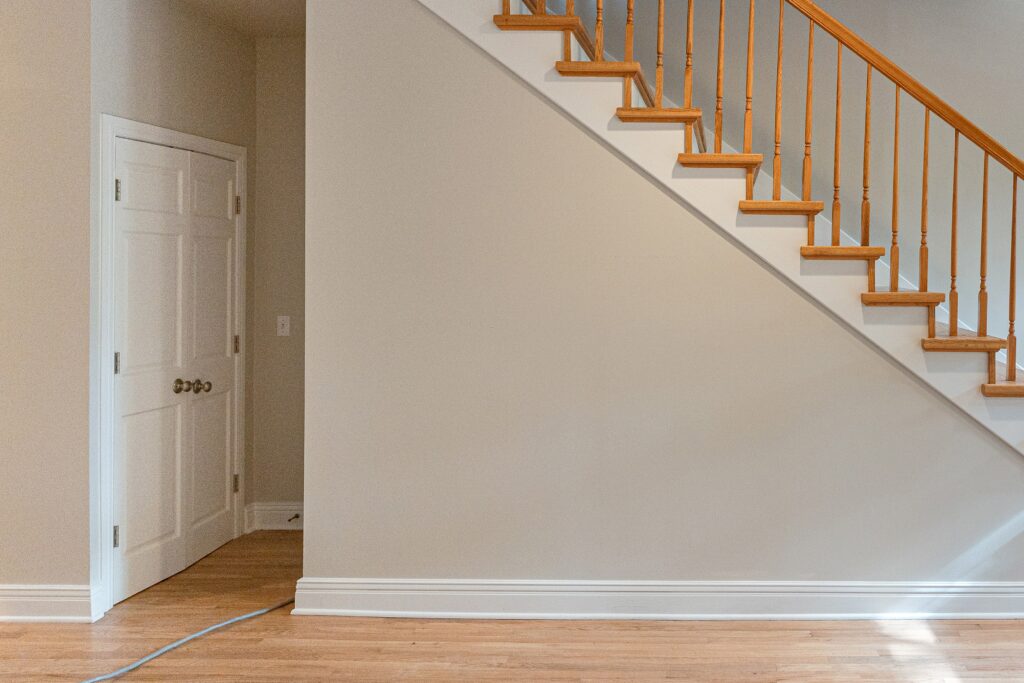
Sound walls take paint. Cracked plaster, failed patches and previous poor work all need correcting first, and that is the single biggest swing in any quote.
White over white is one coat. Covering a deep or saturated colour with a pale one needs a tinted primer and more coats to stop it ghosting through.
Brushwork is slow work. A room with deep baseboards, panelled doors and crown moulding takes far longer per square foot than the walls around it.
An empty property is quicker than a lived-in one. Masking, moving furniture back each evening and keeping rooms usable all add time to the schedule.
What a painting project actually covers
Preparation and repair
Everything that decides how the finish looks in two years, and most of the labour on the job.
- Plaster and drywall repair — cracks cut back and bedded, nail pops reset, failed patches taken out.
- Sanding and deglossing — old oil-based trim keyed so water-based enamel bonds.
- Spot and full priming — every repair sealed so the sheen stays even.
- Protection — floors, fixtures and furniture covered before a lid comes off.
Walls and ceilings
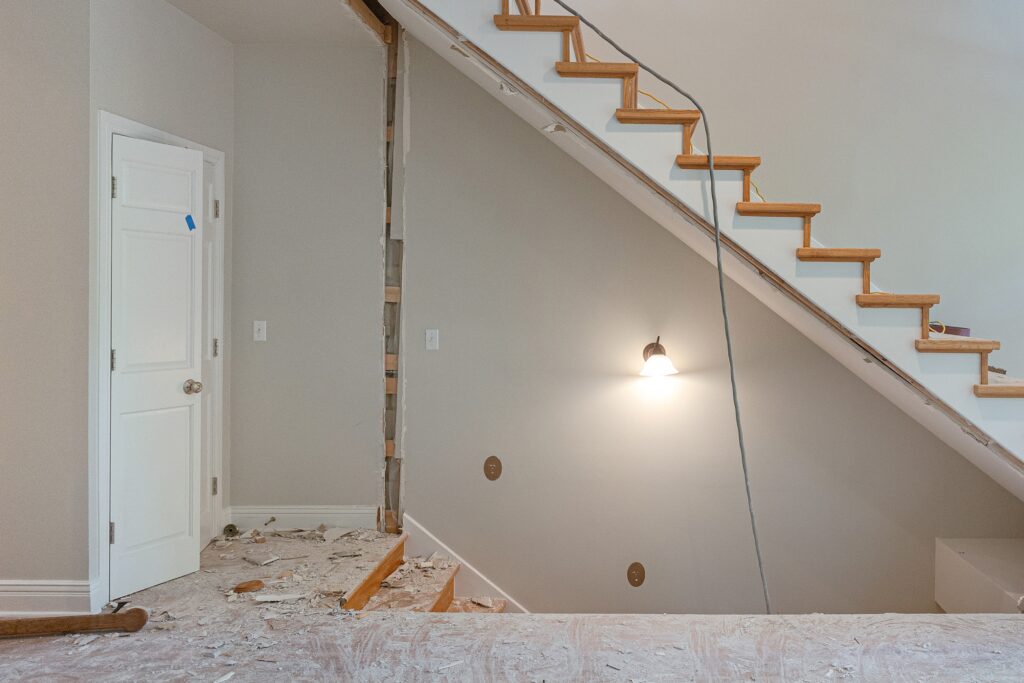
The large flat areas, cut in by hand at every edge rather than taped and hoped.
- Two finish coats as standard, more where the colour change demands it.
- Hand-cut lines at ceilings, corners and trim.
- Flat or matte ceilings to stop roller lap marks showing under downlights.
- Washable finishes in halls, stairs and kitchens where walls get handled.
Trim, doors and millwork
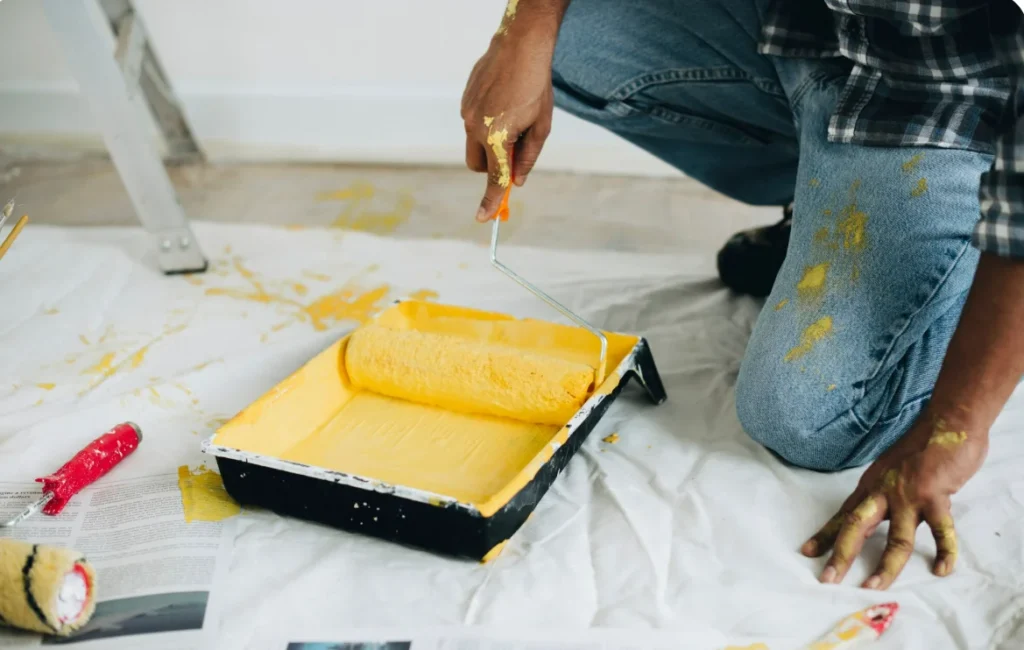
The slowest part of the job and the part people look at closest.
- Baseboards, casings and crown filled, caulked and brushed.
- Panelled doors taken in order so edges are not left tacky.
- Built-ins and cabinetry finished in a hard-wearing enamel.
- Hardware off, not masked, where it can be removed cleanly.
Removal and specialist finishes
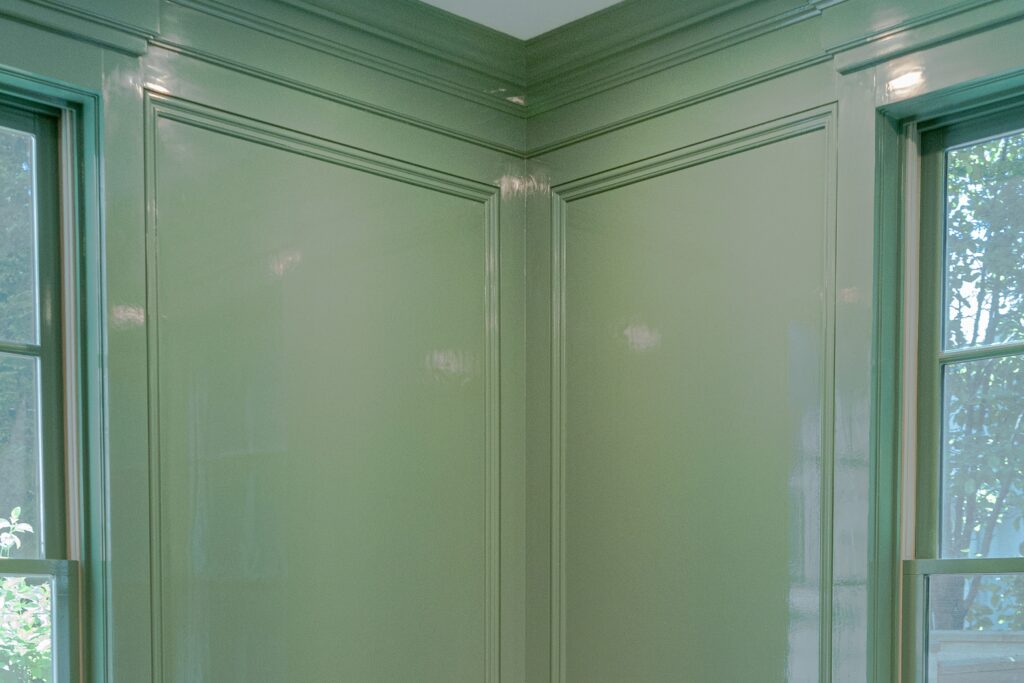
The jobs that come before a repaint, and the ones that are not paint at all.
- Popcorn ceiling removal with the texture scraped, skimmed and finished flat.
- Wallpaper stripping and the wall repair that almost always follows it.
- Venetian plaster where a room wants depth rather than a colour.
- Exterior work on siding, soffits, porches and trim.
How a painting job runs
- Walk the roomsWe look at the walls, the trim and the light before quoting. Condition is what sets the price, and it cannot be judged over the phone.
- Colours and sheensWe help you settle finish levels room by room — matte where it should be quiet, washable where hands land, enamel on trim.
- Protect and maskFloors, fittings and furniture covered, and a plan for which rooms stay usable while we work.
- Repair and primeAll filling, sanding and priming completed and checked before any finish coat is opened.
- Finish coatsCeilings, then walls, then trim, in the order that keeps edges clean and the schedule moving.
- Walk it with youWe go through every room together in daylight, list anything to touch in, and clear the site properly.
Three ways people do this
Most painting enquiries fall into one of three shapes. They differ in cost, in disruption and in how long the result holds.
-
One or two roomsA bedroom, a hallway or a living room. Usually a few days, and the house stays in use throughout.→
-
The whole interiorEvery room, trim included, done in sequence. Cheaper per room and the only way to get colours and sheens consistent.→
-
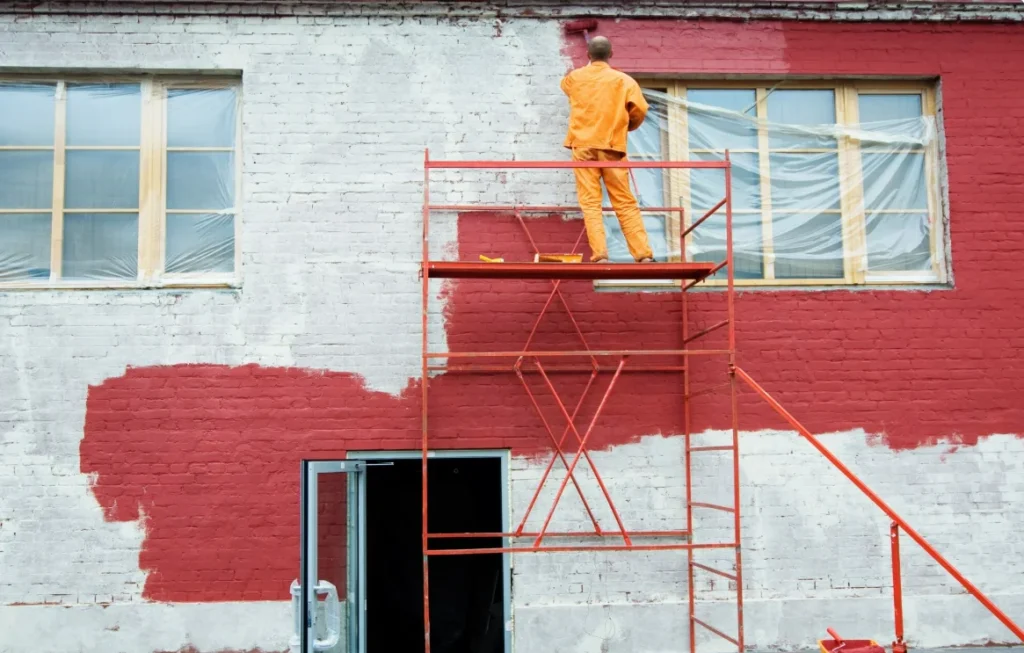
Inside and out togetherInterior work scheduled around a dry exterior window, so the scaffold and the prep are paid for once.→
Where we work
We take painting projects across the north side and the northern suburbs.
Common Painting Questions
How much of a painting job is preparation?
Most of it, especially in older Chicago homes with plaster walls. Filling, sanding, deglossing and priming take longer than applying the paint, and skipping any of it is why a fresh coat can look poor within months.
Are interior and exterior work done at different times of year?
Usually. Exterior coatings have minimum temperature requirements to cure properly, which limits the Chicago window to the warmer months. Interior work runs year round, so planning exterior work over winter for a spring start is normal.
Can you paint over wallpaper or textured surfaces?
Sometimes, but it is rarely the better answer. Seams and texture telegraph through, and paint moisture can lift paper. Removing the paper or skimming the texture gives a wall worth painting, and we will tell you which your walls need.
Do you repair walls before painting?
Yes — cracks, old patches and damaged plaster are addressed first. Painting over them just makes them more visible against a fresh finish. In older homes a skim coat over a whole wall is often the most efficient route to a good surface.
Can we stay in the home during the work?
Almost always. Rooms are done in sequence with furniture moved and covered and floors protected, so the household keeps functioning. We agree the room order with you around bedrooms and anything else that matters.
What about older homes with plaster or possible lead paint?
Plaster is repaired differently from drywall and needs matching for hardness and texture. Homes built before 1978 may contain lead paint, which changes how surfaces must be handled — we raise it rather than treating an older property as a routine repaint.