
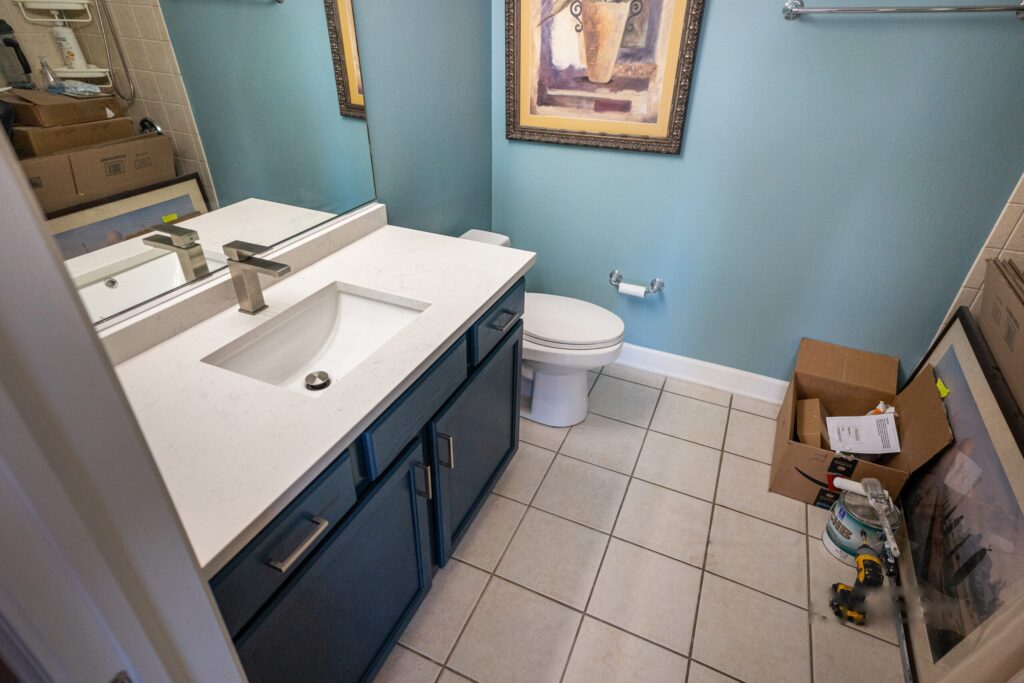
When planning a bathroom renovation, homeowners often focus on style and color. But understanding what bathroom cabinets are made of is just as crucial. The material directly impacts durability, resistance to moisture, maintenance needs, and ultimately, the lifespan and cost of your cabinetry. In a humid environment like a bathroom, material choice is paramount. As experienced bathroom remodeling contractors in Chicago, we guide clients through these vital decisions, ensuring their new cabinets are not only beautiful but also built to last.
Here’s a breakdown of common materials used for bathroom cabinets:
Solid Wood Bathroom Cabinets
Solid wood cabinets offer a classic, timeless appeal and can be highly durable. Popular choices include oak, maple, cherry, birch, and hickory. Each wood type has its own unique grain pattern and color, allowing for a range of aesthetic possibilities. While beautiful and sturdy, solid wood is susceptible to moisture changes, which can lead to warping or swelling if not properly sealed and maintained.
Offers natural beauty and strength (e.g., oak, maple), but requires good sealing to resist moisture and prevent warping.
Plywood Bathroom Vanity
Plywood is an excellent choice for bathroom cabinet boxes due to its strength and stability. It’s constructed from thin layers of wood veneer glued together, with grains alternating for increased rigidity and resistance to warping. Marine-grade plywood is specifically designed for high-moisture environments, making it an even better option for bathrooms. Plywood generally holds screws well and is lighter than solid wood, making installation easier.
A durable and stable option (layers of wood veneer), highly resistant to warping, with marine-grade varieties offering superior moisture protection.
Medium-Density Fiberboard MDF Bathroom Vanities
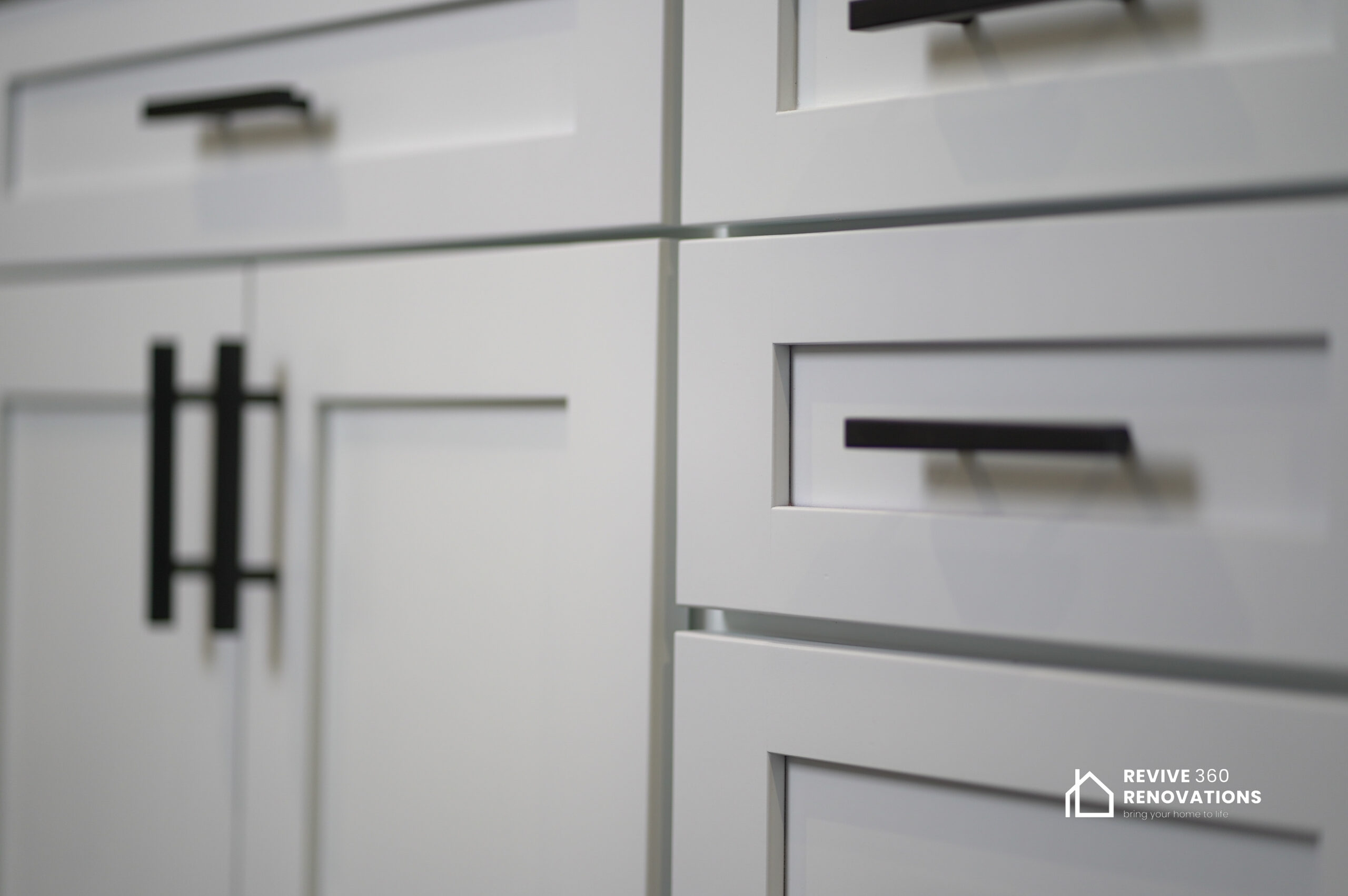
MDF is an engineered wood product made from wood fibers, resin, and wax, pressed into dense panels. It offers a very smooth surface, making it an ideal substrate for paint and veneers. Medium Density Fiberboard is highly stable and doesn’t warp or crack with changes in humidity as much as solid wood can, making it a good choice for bathroom doors and drawer fronts. However, it’s very absorbent if exposed directly to water, so a good seal or finish is essential.
Smooth, stable, and excellent for painted finishes, but requires thorough sealing to prevent moisture absorption and swelling.
Particle board (Furniture Board) Bathroom Cabinet
Particleboard is made from wood particles bonded together with resin under pressure. It’s typically the most budget-friendly option for cabinet construction. While economical, particle board is the least moisture-resistant material. It can swell and disintegrate if exposed to water for prolonged periods. For bathroom applications, it’s often used as a core for laminate or melamine finishes, which offer some protection against splashes.
An economical option made from wood particles, but it’s the least resistant to moisture and prone to swelling if not properly sealed or covered.
Bathroom Cabinets Made of Melamine and Laminate
Melamine and laminate are synthetic finishes applied over a core material like particleboard or MDF. Melamine is a thermoset plastic, offering a hard, pre-finished, and water-resistant surface. Laminate vanity cabinets are similar but typically thicker and more durable, offering a wider range of colors, patterns, and textures, including those mimicking wood grain. Both are excellent for moisture resistance and easy cleaning, making them practical choices for busy bathrooms.
Durable, water-resistant synthetic cabinet finishes applied over core materials, offering easy cleaning and a wide range of aesthetic options.
Stainless Steel
While less common in residential bathrooms, stainless steel cabinets or metal cabinets are gaining popularity for their modern, industrial look and exceptional durability. A stainless steel bathroom vanity is inherently resistant to rust, mold, and mildew, making it incredibly well-suited for high-moisture environments. It’s also very easy to clean and maintain, though it can show fingerprints and smudges.
Offers a modern aesthetic, superior resistance to moisture, rust, and mildew, and is very easy to clean and maintain.
Reach Out To Us To Understand The Right Cabinets for Your Bathroom.
Understanding cabinet materials is crucial for a successful bathroom renovation. If you’re planning a bathroom cabinet installation, repair, or replacement in Chicago or the Greater Chicagoland area, including Arlington Heights, IL we are your trusted partner. We’ll help you navigate material choices, design options, and ensure your new bathroom cabinets are perfectly suited for your home’s needs and your personal style.
Call Revive 360 Renovations today at (773) 345 6358 for a free consultation! Let’s build a bathroom that’s both beautiful and built to last.