
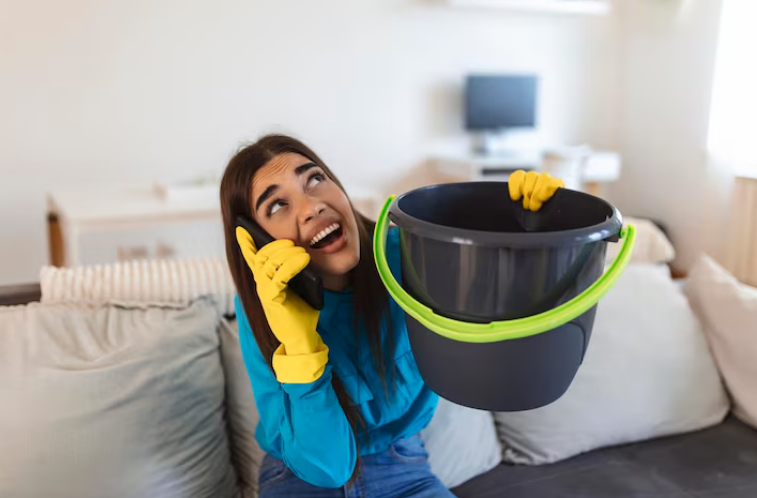
Finding standing water in your living room or a soaking wet basement is a homeowner’s worst nightmare. Whether it is a burst pipe, a failing water heater, or a sudden Chicago storm, the minutes following the discovery are the most critical. Knowing what to do immediately after water damage can mean the difference between a simple drying process and a total structural loss.
At Revive 360 Renovations, we see firsthand how “secondary damage”, like mold growth and structural warping, can begin in as little as 24 hours. To protect your family and your investment, follow this emergency response guide to stabilize your home before the experts arrive.
1. Prioritize Safety and Shut Off Utilities
Before you step into any standing water, you must ensure the environment is safe. Water and electricity are a lethal combination. If you can reach your home’s electrical panel without walking through water, turn off the power to the affected areas immediately.
If the water source is internal (like a plumbing failure), locate your main water shut-off valve and turn it clockwise until it stops. If you are unsure where your valve is located, a professional handyman can help you identify and tag your emergency shut-offs during a routine maintenance visit. According to the Red Cross, you should also avoid using any electrical appliances that have come into contact with water until they have been cleared by a professional.
2. Document Everything for Insurance
Before you start mopping or moving furniture, take your phone and record the damage. Insurance adjusters require “proof of loss” to process your claim accurately.
- Photos and Video: Capture wide shots of the room and close-ups of the water source and damaged items.
- Identify the Source: If a pipe burst, take a photo of the specific break.
- Inventory: Start a list of damaged belongings, including brand names and approximate purchase dates.
For a comprehensive checklist of what your provider will need, the Insurance Information Institute offers an excellent guide on the claims process. Proper documentation prevents “denial of coverage” based on a lack of evidence.
3. Protect Your Belongings
Once the area is safe and documented, your goal is to “stop the spread.” Move dry, unaffected items to a safe area. For heavy furniture that cannot be moved, place aluminum foil or plastic saucers under the legs to prevent wood stains from bleeding into the carpet and to stop moisture from “wicking” up into the furniture frame.
If you have expensive area rugs, roll them up and move them to a garage or patio. If your hardwood floors are submerged, every minute counts; the longer wood sits in water, the more likely it is to experience permanent “cupping” or crowning.
Understanding Water Categories
Not all water damage is the same. The IICRC (Institute of Inspection Cleaning and Restoration Certification) categorizes water into three levels:
- Category 1 (Clean Water): From a broken pipe or sink overflow.
- Category 2 (Gray Water): Contains significant contamination (e.g., dishwasher or washing machine discharge).
- Category 3 (Black Water): Highly unsanitary (e.g., sewage or floodwater).
- If you suspect Category 2 or 3 water, do not attempt to clean it yourself. Professional mitigation is required for health and safety.
4. Begin the Drying Process (If Safe)
If the water is “clean” and the electricity is off, you can start removing standing water using a wet/dry vacuum or mops. Open windows to create cross-ventilation, provided the outdoor humidity isn’t higher than the indoor levels.
Use fans to move air across wet surfaces, but avoid pointing them directly at areas where mold might already be present, as this can spread spores. Professional restoration teams use industrial-grade dehumidifiers that pull gallons of moisture out of the ai, far exceeding the capacity of a standard household unit.
5. Contact Professionals for Mitigation
Water can hide behind baseboards, under cabinets, and inside wall cavities. Even if the floor “looks” dry, the subfloor may still be holding moisture that will eventually lead to mold growth. A certified restoration team uses thermal imaging cameras and moisture meters to ensure your home is truly dry.
Secure Your Recovery with Revive 360 Renovations
The first 24 hours after a water loss are a race against the clock. At Revive 360 Renovations, we provide the rapid response and technical expertise needed to save your home from permanent damage. From emergency water extraction to the final structural repairs and plumbing restoration, we manage every detail so you can focus on getting your life back to normal. We work directly with your insurance company to provide the documentation and estimates they need for a smooth claim.
Don’t wait for mold to take hold, contact Revive 360 Renovations immediately for professional water damage restoration and let us protect your home.