
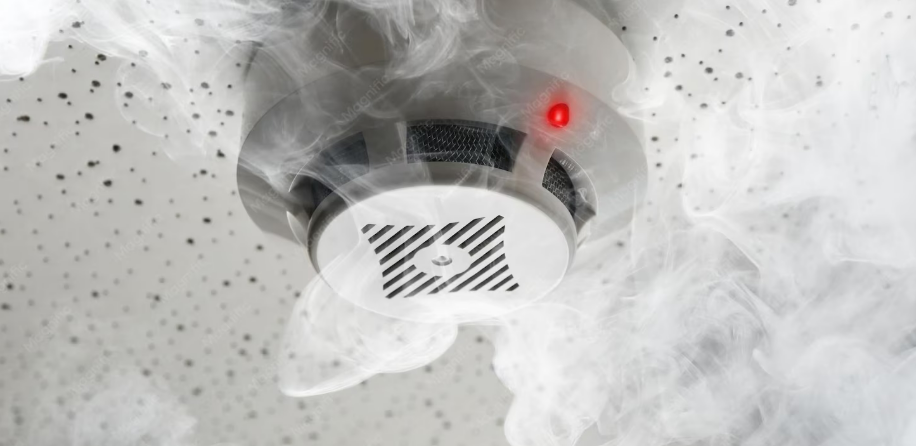
A house fire doesn’t have to reach every room to damage every room. Smoke and soot travel through HVAC ducts, wall cavities, and closed doors, leaving behind acidic residue that keeps corroding surfaces long after the flames are out. Whether you’re dealing with a full structure fire, a kitchen grease flare-up, or a furnace puff-back, what you do in the first hours and days determines whether your home fully recovers or carries hidden damage for years. The biggest mistake homeowners make is treating smoke damage like a simple cleaning job instead of a chemical and structural one. This guide covers safe re-entry, identifying residue type, insurance documentation, and when to call in restoration professionals versus cleaning up yourself.
Key Takeaways
- Wait for clearance before re-entering: Fire officials should confirm structural safety and air quality before anyone goes back inside.
- Not all soot is the same: Wet smoke, dry smoke, and protein residue each need different cleaning agents and techniques.
- Skip household cleaners on soot: Common cleaners react with soot’s acidic residue and can permanently set stains into surfaces.
- Document everything before you touch anything: Insurance adjusters rely on photos and inventories taken before cleanup begins.
- Painting over soot never works long-term: Odor and staining bleed through standard paint within weeks unless surfaces are sealed first.
- Restoration and DIY cleanup both have a place: Small, contained incidents are often homeowner-manageable; whole-room or whole-house smoke calls for trained crews.
Before You Re-Enter: Safety Comes First
Even after the fire department clears the scene, a fire-damaged home isn’t automatically safe to walk through. Structural elements weakened by heat, such as floor joists, roof trusses, and load-bearing walls, may look intact while hiding fractures. Electrical systems exposed to heat or water can carry live current in unexpected places, and gas lines may leak without an obvious smell if the fire dulled your sense of smell.
Before entering, confirm with the fire department or a structural inspector that the building has been cleared. Wear closed-toe shoes, long sleeves, and an N95 or P100 respirator mask rather than a basic dust mask, since soot particles are fine enough to penetrate deep into lungs. Never turn on electricity, gas, or water until a licensed professional has inspected each system, and keep children, pets, and anyone with respiratory conditions out until air quality has been assessed.
Understanding Soot and Smoke Residue Types
Not all smoke damage behaves the same way, and misidentifying the residue is a common reason DIY cleanup makes things worse. The material burned, the fire’s temperature, and available oxygen all change the soot’s chemical makeup.
Wet Smoke vs. Dry Smoke vs. Protein Residue
Wet smoke comes from slow-burning, smoldering fires involving rubber or plastic, leaving a sticky, smeary residue with a strong odor. Dry smoke results from fast-burning, higher-temperature fires involving paper or wood, leaving a powdery soot that’s easier to wipe away but spreads into fine dust. Protein residue comes from kitchen fires involving meat or fat; it’s often nearly invisible but produces an intense odor and a yellowish film on cabinets and countertops. Identify the residue type before buying a single cleaning product — wet smoke smeared with the wrong solvent can grind soot deeper into porous surfaces like drywall and grout instead of lifting it out.
Ventilation and Indoor Air Quality During Cleanup
Smoke particles and gases don’t disappear once visible flames are gone. Volatile organic compounds, carbon particulates, and sometimes carbon monoxide can linger in a home’s air for days, especially in rooms with limited airflow. Opening windows and running fans for cross-ventilation is simple and effective, but wait until outdoor air is confirmed clear of wildfire smoke or pollution and gas leaks are ruled out.
If your home has a forced-air HVAC system, keep it off during initial cleanup. Running it with soot-contaminated ducts recirculates particulate throughout the house, spreading contamination to rooms the fire never touched. The EPA notes smoke particulate can aggravate asthma and heart conditions long after a fire is out, so schedule duct cleaning and an HVAC inspection before relying on the system again. Portable HEPA air scrubbers, not standard box fans, are the right tool for pulling smoke particulate out of the air during cleanup.
What NOT to Do After Smoke Damage
Several common reactions can make smoke damage worse or more expensive to fix.
- Don’t use household all-purpose cleaners or water alone on soot; many soot types are acidic and etch into metal, glass, and painted surfaces when wet.
- Don’t paint over soot-stained walls or ceilings without cleaning and sealing them first; residue and odor bleed through new paint within weeks.
- Don’t run the HVAC system before ducts are inspected and cleaned.
- Don’t throw away damaged items before photographing them for your insurance claim.
- Don’t assume a small, contained fire means only cosmetic damage; smoke travels through wall cavities and can affect insulation and framing far from the visible burn area.
The single costliest mistake is sealing soot damage under fresh paint instead of removing it. The acidic residue keeps degrading the substrate, and trapped odor eventually resurfaces, often forcing the paint job to be redone entirely.
Documenting the Damage for Your Insurance Claim
Insurance claims move faster when documentation happens before cleanup, not after. Photograph every affected room, surface, and item, including areas with only light soot film, since insurers sometimes dispute damage not captured early. Keep a written inventory of damaged belongings with approximate values, and save receipts for temporary repairs, hotel stays, or emergency supplies.
Contact your insurance provider as soon as it’s safe, and ask whether your policy covers smoke damage separately from fire damage, since some policies distinguish between the two. A public adjuster or restoration company experienced with fire claims can help your documentation match what insurers expect, often the difference between quick approval and a delayed claim. FEMA’s Ready.gov home fire recovery guidance is a useful reference for the broader recovery timeline.
DIY-Safe Cleanup vs. When to Call Restoration Professionals
Whether to handle cleanup yourself or call in a professional crew depends on the fire’s scale, the residue type, and how far smoke traveled through the home.
What You Can Usually Clean Yourself
Small, contained incidents, such as a brief stovetop pan fire, or light smoke film on hard, non-porous surfaces like glass, tile, or sealed countertops, are often manageable without professional help. Dry sponges made for soot removal (never a wet sponge on dry soot) lift dry residue from walls and ceilings without smearing it. Washable fabrics can often be laundered with an odor-removing detergent, and hard flooring cleaned with a pH-neutral cleaner made for smoke residue.
When to Bring in a Restoration Professional
Whole-room or whole-house smoke exposure, protein residue from an unattended kitchen fire, any fire involving the HVAC system, or damage to drywall, insulation, or framing all call for a licensed restoration company. Soot that has penetrated porous materials like drywall, carpet padding, or upholstery generally cannot be fully remediated with surface cleaning and instead requires thermal fogging, ozone treatment, or replacement of the affected material. If uncertain which category applies, have a professional assess the home before investing in cleaning that may need to be redone.
Repainting, Drywall, and Structural Repairs Once It’s Safe
Once soot has been professionally removed and odor-causing residue neutralized, the property enters the rebuilding phase — and it’s important not to rush it. Walls and ceilings need an odor-blocking, stain-sealing primer before any topcoat goes on; skipping this step is exactly how smoke stains and smells resurface months later. A professional interior painting job that starts with proper sealing gives you a finish that holds, rather than one needing a redo within the year.
!Painter preparing roller with yellow interior wall paint
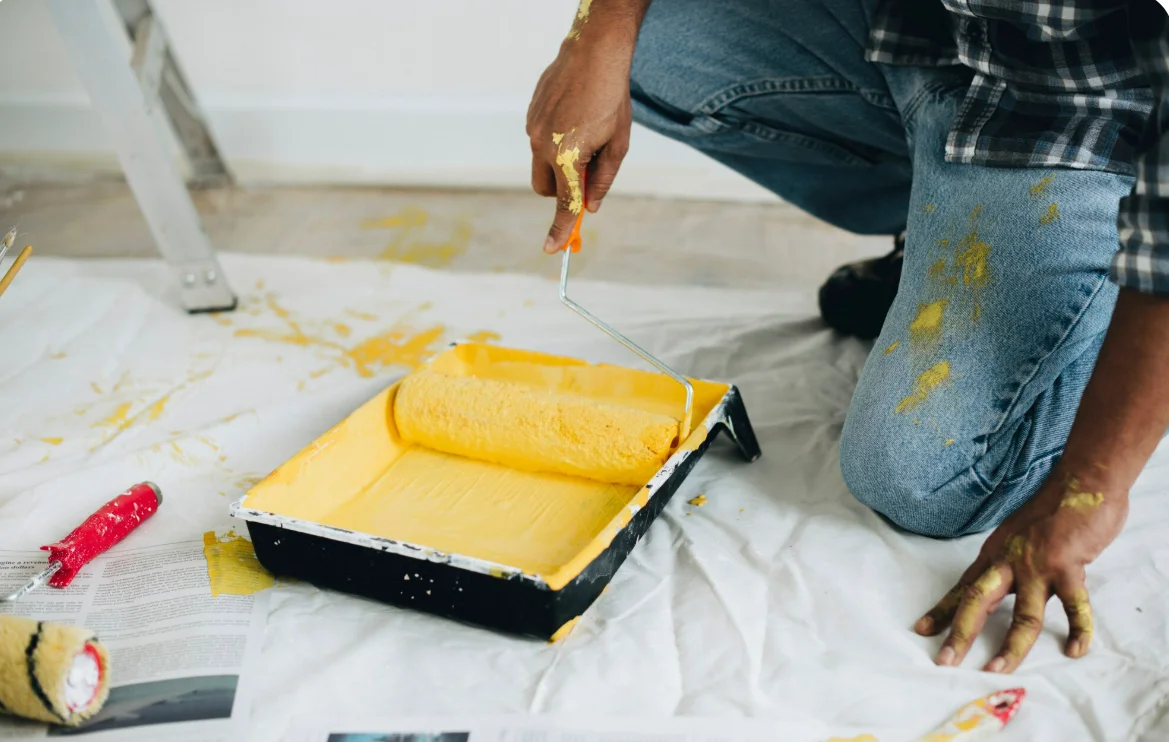
For homes where smoke affected multiple rooms or the entire structure, a coordinated whole house painting approach ensures consistent color, sheen, and sealing rather than a patchwork of mismatched touch-ups.
Drywall and Framing Repairs
Heat and smoke exposure can compromise drywall even without visible fire damage, making it brittle, discolored, or permanently odor-retentive. In these cases, cutting out and replacing the affected sections is more reliable than repainting over them. Drywall that has absorbed smoke odor at a chemical level will almost always outlast any surface treatment, which is why professional drywall repair and installation is often paired with the repainting phase rather than handled separately.
!Carpenter cutting wood in a professional workshop
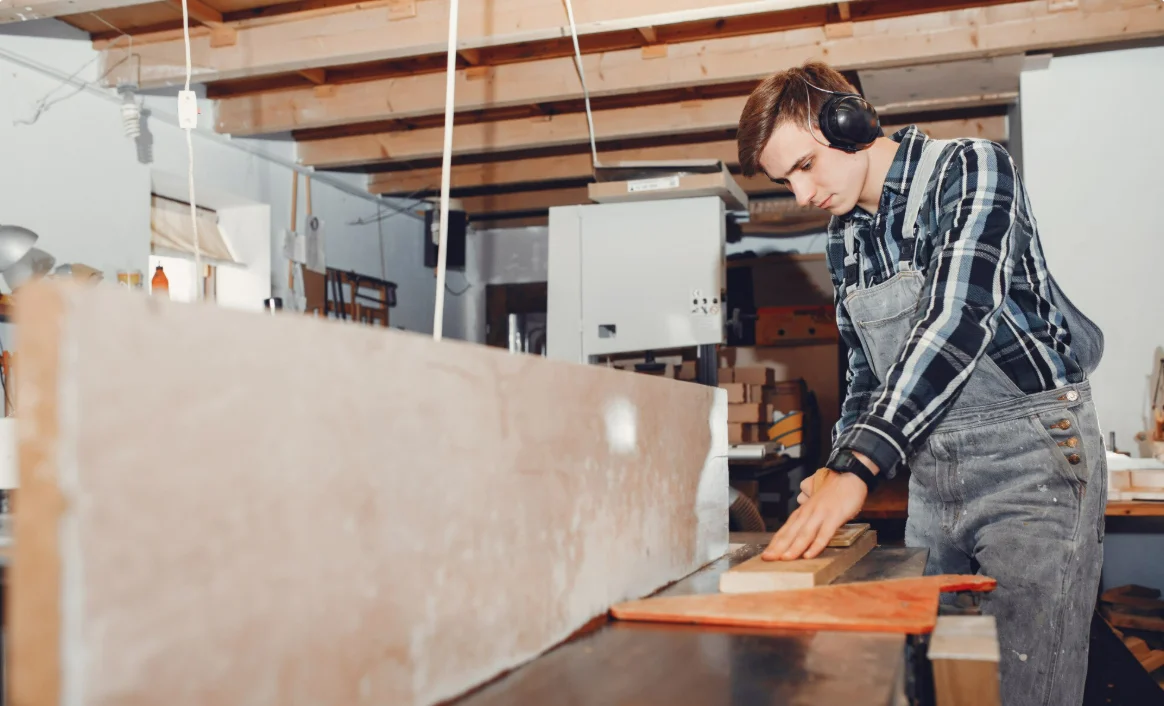
If the fire affected structural framing, subfloors, or cabinetry, those repairs need to happen before drywall and paint go back in. A full-service renovation team that moves seamlessly from structural repair into finish work, rather than coordinating multiple contractors, keeps the timeline shorter and results more consistent. Homeowners also dealing with water damage from firefighting efforts should review what to do immediately after water damage in your home, since the two often need to be addressed together before repainting begins.
Frequently Asked Questions
How long does it take for smoke smell to go away after a fire?
Light smoke odor from a small, contained incident can clear within a few days with proper ventilation and surface cleaning. Larger or protein-based kitchen fires often need professional odor treatment, such as thermal fogging or ozone treatment, with full resolution taking one to several weeks depending on how deeply the odor penetrated porous materials.
Can I just paint over soot-stained walls to save time?
No. Standard paint doesn’t block the acidic compounds in soot or the odor molecules trapped underneath, so stains and smells typically bleed through within weeks. Walls need a stain-blocking, odor-sealing primer before any topcoat is applied.
Is smoke damage covered by homeowners insurance?
Most standard homeowners policies cover smoke and fire damage, though coverage details vary by policy and cause. Contact your insurance provider directly, and keep thorough photo documentation and an itemized inventory before cleanup begins to support your claim.
How do I know if my HVAC system needs cleaning after a fire?
If the system was running during the fire, or smoke reached any room on the same ductwork, the entire system should be inspected before use. A contaminated HVAC system recirculates soot particulate throughout the home, so professional duct cleaning is strongly recommended, not optional.
What should I do with smoke-damaged clothing and furniture?
Photograph items before cleaning or discarding them, since insurers need documentation of the damage. Washable fabrics can often be laundered with an odor-neutralizing detergent, while upholstered furniture with deep smoke penetration usually needs professional restoration or replacement.
Is it safe to stay in my home after a small kitchen fire?
It depends on how far the smoke traveled and whether ventilation is adequate. If the fire stayed at the stovetop and the rest of the home has good airflow with minimal lingering odor, staying is often fine, though anyone with respiratory sensitivities should avoid the area until it’s cleaned and aired out.
If your home is recovering from a fire, a furnace puff-back, or any smoke-related damage, Revive 360 Renovations is ready to help once the property has been cleared safe. Our Chicago-based team brings 16 years of craftsmanship to interior painting, drywall repair, and renovation, working within your timeline to bring the property back to a home you love. Reach out through our home renovation services page to talk through what your space needs.