
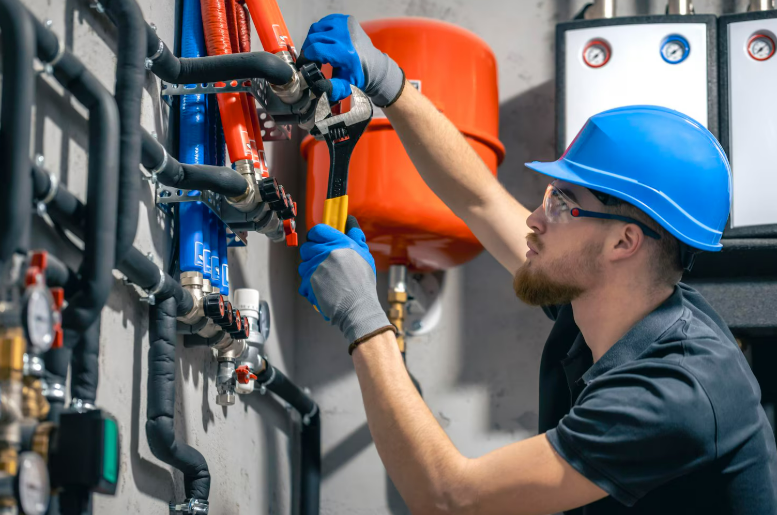
Water damage is one of the most critical threats a homeowner can face. Whether caused by a burst pipe, severe storm, appliance failure, or backed-up drain, standing water immediately begins degrading building materials and compromising structural integrity. Within just 24 to 48 hours of exposure, trapped moisture creates ideal conditions for toxic mold growth. Taking rapid, organized action during the first few hours minimizes structural decay, protects personal property, and streamlines the insurance claims process. Knowing exactly what emergency measures to take, and what mistakes to avoid, ensures safety while preparing your home for professional mitigation and structural restoration.
Key Takeaways
- Prioritize Personal Safety: Shut off the main power supply before entering flooded areas to eliminate electrocution risks, and wear protective rubber boots.
- Stop the Water Source: Immediately close the main water shut-off valve to prevent ongoing, uncontrolled flooding throughout your living spaces.
- Document Everything: Take clear photographs and video recordings of all affected rooms, structural damage, and ruined items before cleanup starts.
- Begin Moisture Extraction: Remove standing water quickly using wet/dry vacuums, mop up excess moisture, and open airflow pathways.
- Contact Professionals Early: Professional restoration teams use commercial dehumidifiers and moisture meters to dry hidden wall cavities before mold sets in.
1. Ensure Immediate Safety First
Before stepping into a flooded room or attempting repairs, evaluate physical hazards. Water intrusion creates hidden electrical, chemical, and biological dangers that require immediate caution.
Electrical Precautions
Never walk through standing water if power outlets, extension cords, or electrical appliances are submerged. Locate your main circuit breaker panel and switch off power to the affected zones. If the breaker box is located in a damp or flooded basement, do not touch it; contact your local electric utility provider or an emergency electrician immediately.
Contamination Levels (Water Category)
According to water damage restoration standards set by the Institute of Inspection, Cleaning and Restoration Certification (IICRC), water intrusion falls into three contamination categories:
- Category 1 (Clean Water): Broken supply lines, clean sink overflows, or falling rainwater that poses low immediate health hazards.
- Category 2 (Gray Water): Washing machine discharge, dishwasher overflows, or sump pump failures containing micro-organisms.
- Category 3 (Black Water): Sewage backups, river flooding, or standing water breeding harmful bacteria, requiring specialized biohazard handling.
2. Stop the Water and Document Damage
Once safety is established, prevent further water accumulation and create an accurate record for your insurance provider.
Shutting Off Main Water Supply
Turn the main water shut-off valve clockwise until fully closed. Every household member should know where this valve is located, typically in the basement, utility closet, or outside near the water meter.
Documenting Property Losses
According to consumer guidelines from the Federal Emergency Management Agency (FEMA), maintaining an accurate inventory of damaged property accelerates claim processing. Take detailed photos and high-resolution videos from multiple angles, capturing standing water depth, affected baseboards, ruined furniture, and damaged structural finishes before removing anything.
3. Begin Emergency Water Extraction and Drying
Speed is essential when extracting standing water to protect subfloors, structural joists, and interior drywall from permanent swelling.
Surface Water Removal
Use heavy-duty wet/dry shop vacuums, commercial squeegees, and absorbent towels to clear standing surface water. For carpets, lift the edges if possible to evaluate whether moisture has soaked deep into the underlying subfloor padding.
Furniture Elevation and Ventilation
Lift upholstered furniture, wooden tables, and rugs off damp floors. Place aluminum foil squares, plastic blocks, or wood shims under heavy furniture legs to prevent rust transfer or wood stain bleeding onto damp surfaces. Position high-velocity box fans and residential dehumidifiers to keep air moving across wet materials.
4. Critical Actions to Avoid During Water Disasters
Avoiding common missteps is just as important as taking the correct emergency response steps.
- Do NOT Use Standard Household Vacuums: Regular vacuums are not grounded for liquid pickup and can cause electric shocks or motor failure.
- Do NOT Turn On Ceiling Lights: If water is leaking through a ceiling, light fixtures may collect water internally, creating short-circuit hazards.
- Do NOT Leave Wet Books on Carpets: Dyes from books, newspapers, and cardboard boxes seep deeply into carpet fibers, leaving permanent stains.
- Do NOT Delay Mitigation: Leaving damp drywall or insulation untouched for more than 24 hours invites rapid mold infestation and structural wood rot.
5. Transitioning to Professional Structural Restoration
Removing surface water is only the initial phase. Water quickly migrates into hidden building cavities behind baseboards, beneath subflooring, and inside insulated wall frames.
According to building health recommendations from the U.S. Environmental Protection Agency (EPA), thoroughly drying structural building components within 24 to 48 hours is essential to prevent indoor mold contamination. Professional restoration teams utilize specialized moisture meters, thermal imaging cameras, and commercial refrigerant dehumidifiers to pull deeply bound water molecules out of structural timbers before reconstruction begins.
Restoring your home after severe water damage requires expert carpentry, subfloor repair, and complete interior reconstruction. For comprehensive home recovery, working with experienced general contractors ensures your house is rebuilt safely and efficiently. Revive 360 Renovation provides complete structural repair, drywall replacement, flooring installation, and residential renovation services to bring your property back to prime condition.
Frequently Asked Questions
How fast does mold grow after a water leak?
Mold spores can germinate and begin colonizing damp building materials within 24 to 48 hours of water exposure. Immediate drying and humidity control are crucial during this short window.
Should I rip out wet carpet immediately?
If the water source is clean (Category 1) and extracted within 24 hours, carpets and underlayment can often be saved using professional drying fans. However, if affected by sewage (Category 3) or submerged for days, carpet padding must be disposed of safely.
Will my homeowner’s insurance cover emergency water damage?
Most standard homeowner policies cover sudden and accidental internal water damage, such as a burst pipe or water heater rupture. Gradual leaks caused by lack of maintenance or rising outdoor floodwaters usually require specialized flood insurance policies.
Can I dry out soaked drywall on my own?
If drywall has absorbed significant moisture, buckled, or sagged, structural replacement is usually necessary. Moisture meters are required to verify that the interior wall studs behind the sheetrock are completely dry before closing up the wall.
Why do I need commercial dehumidifiers if the room feels dry?
Ambient air temperature can make a room feel dry on the surface, while deep framing timbers and subfloors remain saturated. Industrial refrigerant dehumidifiers extract deeply bound water molecules from structural framing to prevent long-term dry rot.
Facing water damage or structural moisture issues? Contact Revive 360 Renovation today for an expert property assessment, structural repair, and complete home restoration services to protect your living space.