
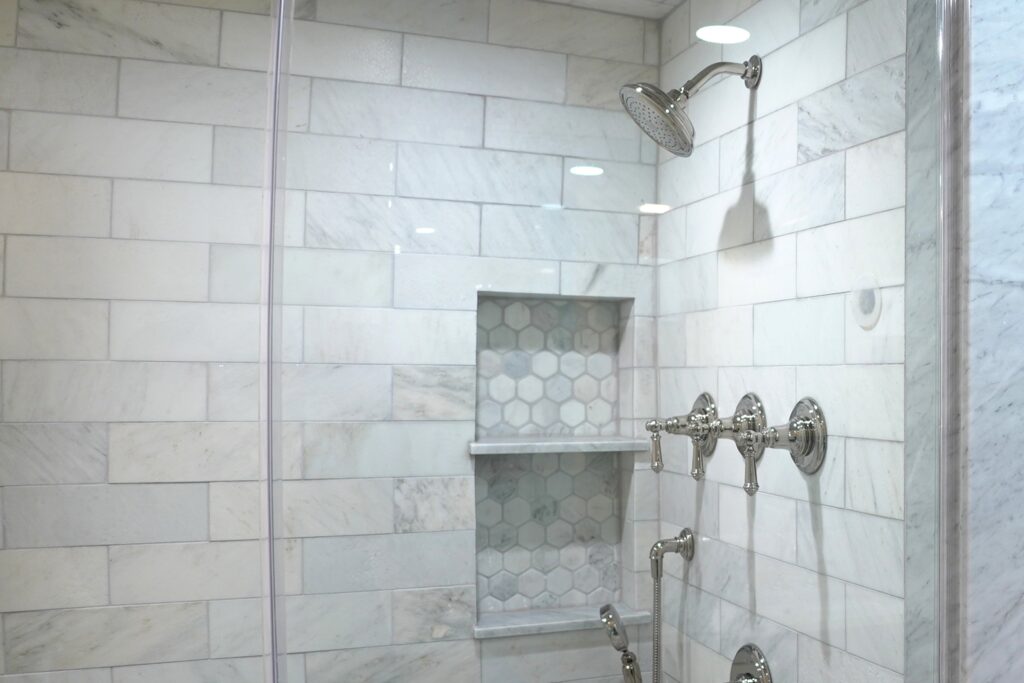
Shower design is undergoing a significant transformation, moving away from cool clinical whites and high-maintenance micro-mosaics toward serene, organic, and architectural spaces. Modern homeowners prioritize a spa-like atmosphere that balances tactile warmth with effortless maintenance. Advances in porcelain manufacturing and waterproofing technology have elevated shower surfaces beyond simple water barriers into standout architectural focal points. By examining texture, format, color palettes, and natural stone aesthetics, homeowners can choose forward-thinking tile applications that enhance daily relaxation while protecting structural integrity.
Key Takeaways
- Large-Format Porcelain Slabs: Extra-large panels drastically reduce grout line frequency, delivering a seamless look and simpler cleaning routines.
- Tactile and Ribbed Textures: Fluted, 3D relief, and artisanal Zellige-style surfaces introduce shadows, depth, and organic warmth to shower walls.
- Warm Mediterranean Earth Tones: Sand, terracotta, mushroom, taupe, and warm stone shades replace cold stark grays to create a spa-like retreat.
- Authentic Travertine and Limestone Looks: High-definition porcelain stoneware captures the biological depth of natural stone without porosity or sealing concerns.
- Vertical Stacking Layouts: Orienting rectangular tiles vertically creates crisp architectural lines while visually stretching ceiling heights in enclosed showers.
1. Extra-Large Format Porcelain Slabs
Slab-style porcelain panels dominate modern shower design, extending up to 48×96 inches or larger. Installing extra-large formats transforms standard shower enclosures into continuous visual planes reminiscent of solid natural stone quarries.
Performance and Maintenance Benefits
Traditional small subway tiles require dozens of linear feet of cementitious grout, creating porous surfaces susceptible to mildew accumulation, soap scum buildup, and discoloration. Large-format porcelain slabs require minimal joint lines. When paired with high-performance epoxy grout, large-format installations simplify surface cleaning and prevent moisture penetration into underlying backer boards. According to tile installation standards from the Tile Council of North America (TCNA), large-format units require specialized subfloor levelness and precise thin-set mortar coverage to ensure long-term structural bonding.
2. Fluted, Ribbed, and Tactile 3D Finishes
Flat, ultra-glossy tiles are yielding to dimensional surfaces that engage the sense of touch. Fluted and ribbed porcelain tiles introduce vertical grooves that catch ambient LED lighting, creating shifting highlights and soft shadows across shower walls.
Strategic Application Areas
Because heavy dimensional textures can complicate water drainage, tactile tiles are best utilized on vertical accent planes, recessed shower niches, or wall expanses directly opposite the showerhead. Pairing smooth, matte floor tiles with a 3D textured feature wall strikes an optimal balance between visual drama and physical cleanability.
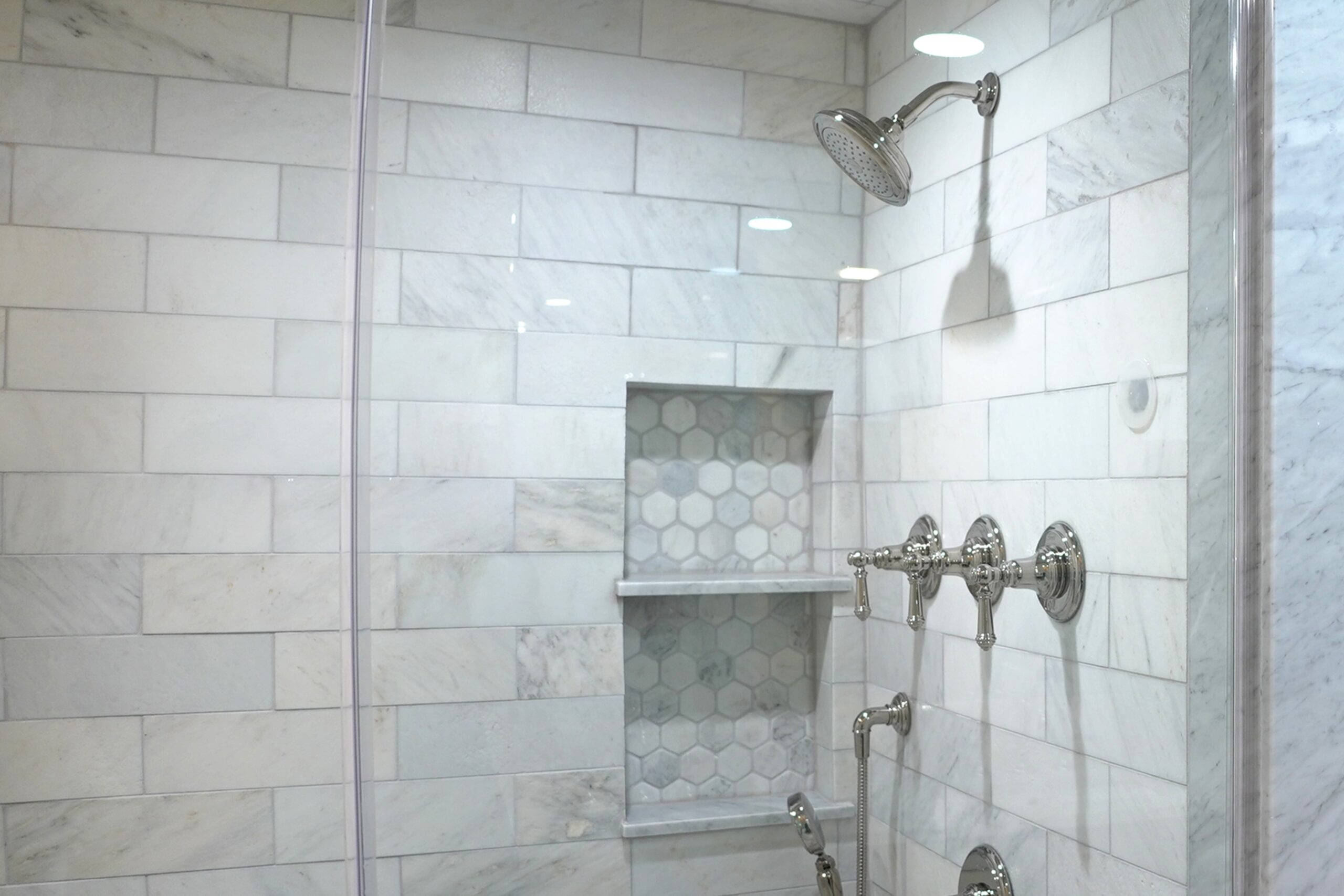
3. Warm Earth Tones and Mediterranean Neutrals
Color palettes continue shifting away from icy whites and cool grays toward grounding, biophilic hues. Warm neutrals foster a sense of calm and visual balance within private wellness spaces.
- Soft Cream and Oat: Replaces stark bright whites to establish an inviting glow.
- Warm Taupe and Mushroom: Provides grounding, earthy depth across large wall spaces.
- Terracotta and Sand: Brings Mediterranean warmth and subtle texture to modern bathrooms.
- Muted Sage and Olive: Connects interior shower enclosures with natural outdoor elements.
- Warm Greige: Bridges modern minimalism with cozy comfort.
4. Travertine and Organic Stone-Look Porcelain
Natural travertine, limestone, and marble possess undeniable beauty, but their porous structure demands frequent surface sealing and acid-free cleaning agents. Modern digital printing technology allows porcelain tile manufacturers to replicate natural stone veining, pits, and color shifts with complete accuracy.
According to materials research from the National Kitchen & Bath Association (NKBA), high-definition stone-look porcelain offers non-porous moisture protection, scratch resistance, and zero requirement for sealants, making it the ideal choice for steam showers and wet-room environments.
5. Vertical Stacking and Architectural Layouts
Tile installation patterns are as influential as the tile material itself. Straight-stacked vertical layouts have outpaced traditional offset brick or herringbone patterns.
| Layout Style | Visual Effect | Best Tile Types |
| Vertical Straight Stack | Draws the eye upward, raising perceived ceiling height | Long rectangular subway tiles, KitKat/Finger tiles |
| Large-Format Monolithic | Creates continuous, unbroken architectural planes | 24×48 or 48×96 inch porcelain stoneware |
| Grid Stack (Square) | Delivers balanced, mid-century modern symmetry | 4×4 or 6×6 inch Zellige or matte square tiles |
| Seamless Tile Drenching | Covers floor, walls, and ceiling in identical tile | Stone-look or neutral matte porcelain |
Vertical Tile Heights
Running rectangular tiles vertically creates clean sightlines that draw the eye up, making compact shower stalls feel taller and more open. Combined with curbless walk-in designs, vertical layouts emphasize sleek, architectural continuity.
Creating a modern, water-resistant shower requires coordinating current tile styles, structural sub-base waterproofing, and precise installation technique. For expert layout planning, full shower remodeling, and custom tile work, partnering with qualified general contractors ensures long-lasting performance. Revive 360 Renovations offers complete bathroom design, wet-room conversion, and residential remodeling services to turn your shower vision into reality.
Frequently Asked Questions
Are large-format tiles safe for shower floors?
While large-format tiles work exceptionally well on shower walls, shower floors require adequate slip resistance (a high Dynamic Coefficient of Friction) and proper slope to the drain. Smaller mosaic tiles or specialized anti-slip matte tiles are usually recommended for shower pans to ensure safety and proper water drainage.
What is “tile drenching” in bathroom design?
Tile drenching refers to using a single tile style across the shower floor, shower walls, and main bathroom walls. This creates a cohesive, envelope-like atmosphere that makes small bathrooms feel larger and more intentional.
Do Zellige and textured tiles require special grout maintenance?
Handmade or textured Zellige-style tiles feature irregular edges and varied surface heights. To prevent dirt buildup, it is essential to use stain-resistant grout, such as epoxy or urethane grout, and ensure all surface crevices are sealed correctly during installation.
Is matte or glossy tile better for shower walls?
Glossy tiles reflect light effectively, helping brighten smaller shower enclosures. However, matte finishes are increasingly preferred for a modern, organic appearance because they conceal water spots, mineral streaks, and fingerprints better than high-gloss surfaces.
Can porcelain wood-look tiles be used inside a shower?
Yes. Porcelain wood-look tiles provide the warm, Scandinavian sauna aesthetic of natural timber while remaining 100% waterproof, rot-resistant, and impervious to humidity.
Ready to upgrade your shower with expert tile craftsmanship and waterproof construction? Contact Revive 360 Renovations today to schedule a bathroom design consultation and transform your space into a custom retreat.