
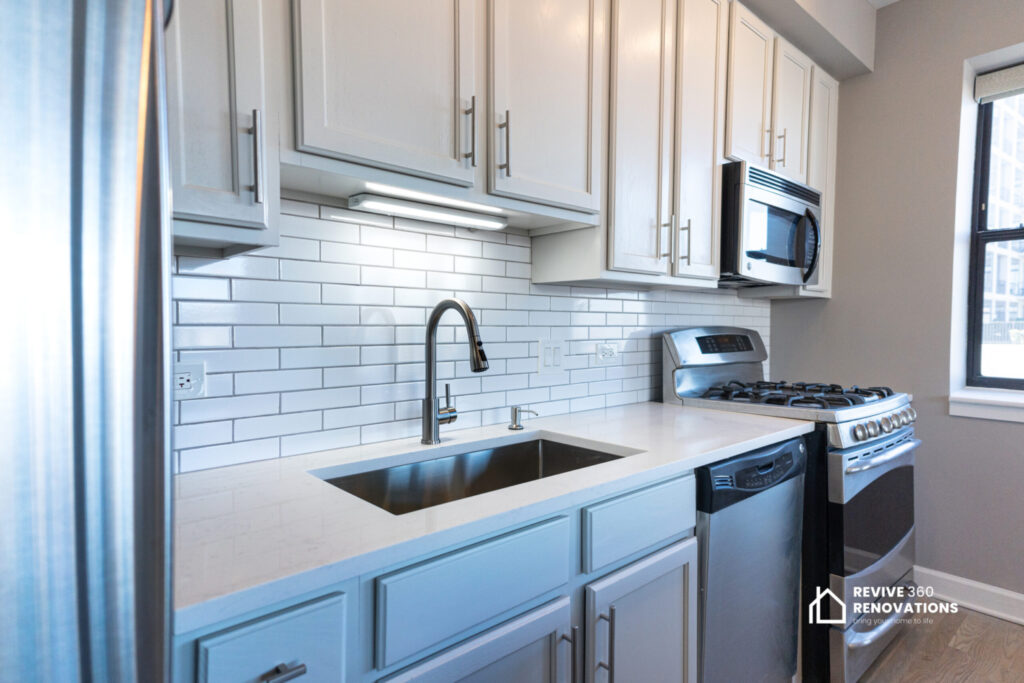
Kitchen cabinets typically stand at set standard cabinet sizes: base cabinets are around 34.5 inches tall, while upper cabinets vary from 30 to 42 inches. There’s often a 15-inch space between the base and upper cabinets for easy access.
Keep in mind that factors like ergonomic design and ceiling height can influence your choices. Finding the right cabinet height can make your kitchen more functional and stylish. Stick around to uncover tips for customizing your kitchen cabinets!
Standard Kitchen Cabinet Heights
When it comes to standard kitchen cabinet heights, most base cabinets stand at 34.5 inches tall without the countertop. This cabinet height and depth is a common choice among homeowners, ensuring easy access to kitchen essentials.
Upper wall cabinets typically measure 30 to 42 inches in height, depending on your needs and the overall kitchen design. You might also find that many base kitchens feature a 15-inch space between base and upper cabinets, providing a balanced look.
Knowing these typical height and depth measurements helps you plan your kitchen cabinet layout effectively, ensuring everything fits perfectly and enhances your cooking space.
Factors Influencing Cabinet Height & How Tall They Can Be
Several factors can influence the height of your kitchen cabinets, ensuring they meet your kitchen cabinet preferences.
The most important aspect is ergonomic design; cabinets should be at a comfortable height for daily tasks, reducing strain on your back and arms.
User preferences also play a significant role—some people prefer taller wall cabinets for additional storage, while others might favor shorter ones for easier access.
Additionally, the height and depth of the kitchen’s occupants can affect cabinet height decisions, as it’s essential for everyone to feel comfortable using the space.
Balancing these factors will help create a functional and enjoyable kitchen.
Adjusting Cabinet Height for Different Ceiling Heights
Adjusting cabinet height to fit different ceiling heights is essential for maximizing both functionality and aesthetics in your kitchen.
Start by measuring your ceiling to determine how much space you have between the cabinets and the ceiling. If you’ve got higher ceilings, consider installing taller cabinets or extending existing ones to utilize that vertical space effectively.
Conversely, if your ceilings are low, adjust the depth and height of your wall cabinets to guarantee they’re accessible and don’t overwhelm the room.
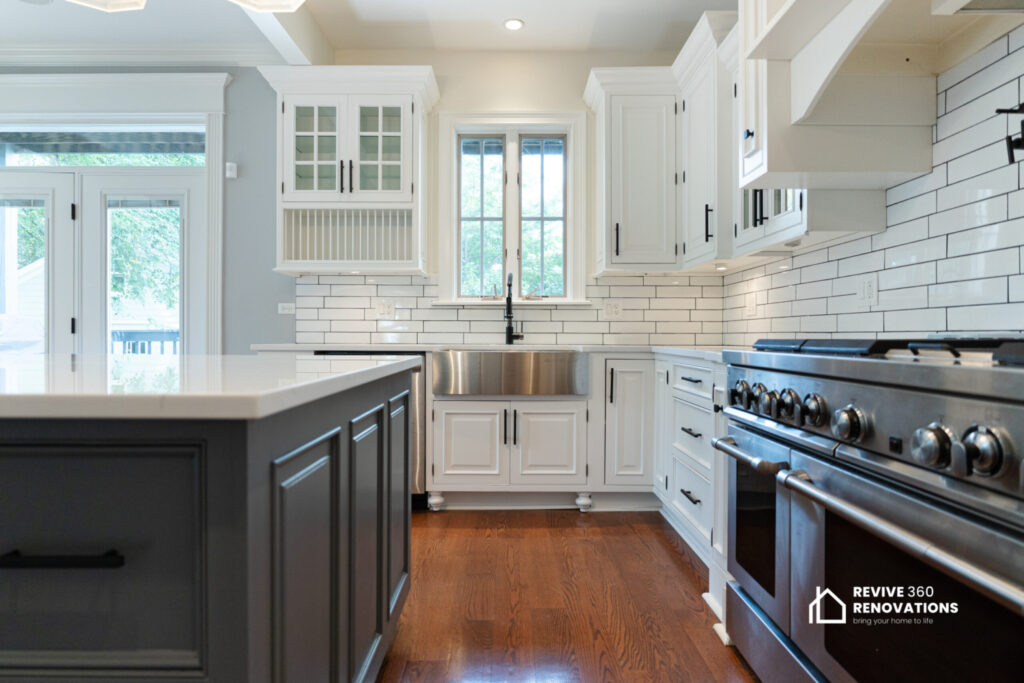
Designing for Functionality and Accessibility
To guarantee your kitchen isn’t just stylish but also practical, designing for functionality and accessibility is key.
You want to make certain that your cabinets are at a height that promotes ergonomic design, making it easy for you to reach all your essentials without straining.
Consider user accessibility; lower cabinets should allow easy access for everyone, including children or those with mobility challenges.
Incorporate pull-out shelves and soft-close mechanisms to enhance usability.
Aesthetic Considerations in Standard Wall Cabinet Height
While functionality and accessibility set the groundwork for a well-designed kitchen, aesthetics play a significant role in creating a visually appealing space.
The height of your cabinets can greatly influence visual balance and design harmony. Choosing the right cabinet height helps maintain proportion, making your kitchen feel cohesive and inviting.
If your cabinets are too high or too low, it can disrupt the overall flow of the room. Consider your kitchen’s style and the impact of cabinet height on your design.
Achieving the right aesthetic will elevate your kitchen, ensuring it’s not just functional but also beautiful.
Tips for Custom Cabinet Solutions
Custom cabinet solutions can transform your kitchen into a space that perfectly fits your needs and style.
Start by exploring various custom cabinet styles that complement your decor while providing functionality. Consider tall cabinets that reach the ceiling for maximizing storage and creating the perfect kitchen cabinet refinishing. Incorporate pull-out shelves, a dishwasher, a mini fridge, or lazy Susans to enhance accessibility and organization.
Don’t forget corner cabinets—utilize every inch of space with clever designs. Finally, choose materials and finishes that reflect your personality and are durable enough to withstand daily use.
With thoughtful planning, your custom cabinets will elevate both aesthetics and efficiency in your kitchen.
Frequently Asked Questions
What Is the Average Height of a Kitchen Countertop?
The standard wall height of a kitchen countertop is around 36 inches. When choosing, consider various countertop material options; they can affect both aesthetics and functionality, so find a height that suits your cooking needs best.
How Much Space Should Be Between Tall Cabinets and Countertops?
For standard countertop spacing during cabinet installation, aim for a gap of 18 to 20 inches. This distance allows for comfortable use and prevents overcrowding, ensuring your tall kitchen cabinets remains functional and aesthetically pleasing.
Are There Standard Widths for Kitchen Cabinets?
Yes, there are heights standard for kitchen cabinets. Most cabinet width and depth kitchen cabinet dimensions range from 12 to 48 inches deep, depending on the cabinet styles. Choosing the right width guarantees a cohesive look throughout your kitchen design.
What Materials Are Commonly Used for Kitchen Cabinets?
When choosing materials for your kitchen cabinets, you’ll find various wood options like oak and maple, alongside laminate finishes that offer durability and easy maintenance. Each choice impacts both aesthetics and functionality in your kitchen space.
How Do I Choose Cabinet Colors That Match My Kitchen?
To choose kitchen cabinet painting that match your kitchen, consider color coordination with your walls and countertops. Don’t forget to explore various cabinet finishes, as they can enhance or soften your overall design aesthetic effectively.
A Leading Home Renovation Contractor in Chicago, IL
To summarize, knowing the standard heights and factors influencing kitchen cabinets can help you create a space that’s both functional and stylish. Whether you’re adjusting for different ceiling heights or focusing on accessibility, it’s important to take into account your specific needs. Don’t forget the aesthetic aspects, as well! If standard options don’t fit the bill, custom cabinets are always a great solution. With the right approach, your kitchen can be a perfect blend of form and function.
At Revive Renovations, we specialize in professional kitchen cabinet installation, and home renovation services in Chicago and the Greater Chicagoland. Whether you’re updating your space or fixing existing cabinetry, we deliver custom solutions. Ready to upgrade your kitchen? Call us today at (773) 345-6358 or request a free quote on home renovation River Forest, IL. We are here to guide you from start to finish.