
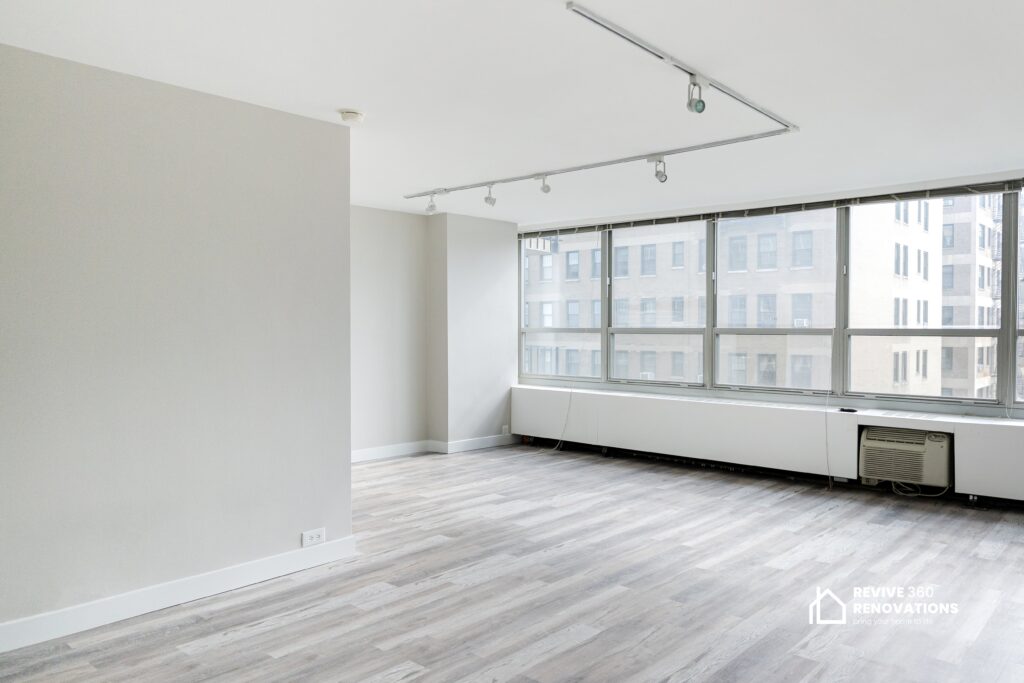
Selecting hardwood flooring represents one of the most impactful investments a homeowner can make in residential architecture. Natural wood floors elevate living spaces with timeless aesthetic character, improve indoor air quality, and consistently deliver strong long-term real estate returns. Selecting the ideal floor requires evaluating wood species, plank construction, subfloor conditions, and environmental exposure to ensure your surface remains structural, stable, and visually compelling for decades. From analyzing Janka hardness ratings to choosing high-durability finishes, understanding technical floor specifications helps you make an informed decision for your space.
Key Takeaways
- Plank Architecture: Solid hardwood offers unlimited refinishing cycles, while engineered hardwood provides superior dimensional stability in moisture-prone zones.
- Hardness Metrics: Selecting wood species based on Janka hardness ratings prevents premature denting in high-traffic zones.
- Subfloor Compatibility: Concrete subfloors require engineered hardwood or subfloor prep, while wood subfloors accommodate solid or engineered systems.
- Site Environmental Control: Proper on-site acclimatization before installation prevents future plank cupping, crowning, and structural gapping.
- Professional Installation: Partnering with experienced flooring specialists guarantees precise subfloor leveling, sub-moisture testing, and long-term warranties.
1. Choose Between Solid and Engineered Hardwood Construction
The core difference between hardwood options lies in their physical construction and reaction to environmental humidity. Solid hardwood planks are milled from a single continuous piece of timber, typically 3/4-inch thick. This structure allows solid wood to be sanded and refinished multiple times over its operational lifespan. However, solid wood expands and contracts significantly when exposed to seasonal moisture shifts.
Engineered hardwood features a real hardwood veneer layer bonded over a cross-plywood core. This structural cross-graining minimizes natural movement, preventing board warping in environments with variable humidity. Engineered hardwood is the ideal solution when installing over concrete slabs, radiant heating systems, or below-grade basements where solid wood would otherwise warp or buckle.
2. Evaluate Species Durability via the Janka Hardness Scale
Different wood species exhibit varying levels of resistance to denting, impact wear, and scratch damage. The Janka Hardness Scale measures the relative density and structural resistance of timber species.
- Red and White Oak (1290 – 1360 Janka): Industry baseline standards offering excellent grain stability and superior stain absorption.
- Hard Maple (1450 Janka): Dense, fine-grained wood with high impact resistance, perfect for modern, high-traffic interiors.
- Hickory (1820 Janka): Exceptionally hard timber featuring dramatic natural color variation, ideal for busy households with children or pets.
- American Walnut (1010 Janka): Softer hardwood prized for rich dark tones and elegant visual luxury, best suited for low-traffic living areas.
Review structural timber property standards published by the USDA Forest Products Laboratory to compare technical performance ratings across various global timber species.
3. Match Wood Selection to Subfloor Conditions and Room Location
Your home’s underlying structure dictates which flooring types can be safely installed. Installing solid hardwood directly over concrete subfloors without specialized moisture barrier systems causes board failure.
On-grade and above-grade wood subfloors support both solid and engineered systems. For below-grade installations like basements, engineered wood paired with an underlayment moisture barrier is required. Before laying down new material, inspecting your subfloor for moisture content, deflection, and structural integrity prevents squeaks and board separation. Explore professional subfloor preparation methods on the Revive 360 Renovations Flooring Services page to ensure a stable foundation for your project.
4. Select the Right Plank Width and Visual Proportion
Plank dimensions change how a room feels visually. Narrow strip flooring (under 3 inches wide) offers traditional architectural character and visually elongates narrow hallways.
Wide plank flooring (5 to 10 inches wide) creates an open, expansive feel in modern and rustic spaces by minimizing visible seam lines. Wide planks show off natural wood grain patterns but require strict indoor humidity controls, typically between 30% and 50% relative humidity, to prevent seam separation. Guidelines from the Environmental Protection Agency (EPA) highlight the importance of maintaining optimal indoor relative humidity to preserve wood materials and support indoor air quality.
5. Weigh Pre-Finished vs. Site-Finished Options
Homeowners can choose between factory pre-finished boards and raw hardwood finished on-site after installation.
- Factory Pre-Finished Hardwood: Coated with multiple layers of UV-cured aluminum oxide finishes under factory conditions. They offer exceptional scratch resistance, fast dust-free installation, and immediate walkability.
- Site-Finished Hardwood: Installed raw, then sanded, stained, and sealed on-site. This process produces a completely flat, monolithic floor plane with sealed seams, allowing for custom stain blending.
6. Pick a Finish Texture and Gloss Level
Surface textures and sheen levels impact both room aesthetics and daily maintenance requirements. High-gloss finishes reflect light, creating a formal look, but they easily show dust, pet hair, and surface scratches. Matte and satin finishes absorb light, masking minor wear and making them ideal for high-traffic family homes.
Textured finishes, such as wire-brushed, hand-scraped, or saw-marked surfaces, add physical character and hide everyday foot traffic wear. Browse completed installations in the Revive 360 Renovations Project Portfolio to see how different finishes look in real residential settings.
7. Account for Environmental Acclimatization
Hardwood is a living material that absorbs and releases moisture based on its surrounding environment. Unboxing hardwood planks inside the installation space for a minimum of 3 to 7 days prior to installation allows the wood’s moisture content to match the home’s ambient humidity.
Skipping the acclimatization phase can lead to cupping (edges expanding higher than the center) or crowning (centers bulging above the edges) as the wood adjusts after being fastened. Following official standards from the National Wood Flooring Association (NWFA) helps ensure proper site preparation and long-term floor performance.
8. Compare Protective Sealants and Chemical Formulations
The protective topcoat applied to your floor dictates its resistance to liquid spills and foot wear. Water-based polyurethane finishes cure clear, retain the wood’s natural tone, and emit low Volatile Organic Compounds (VOCs). Oil-based polyurethanes impart a warm amber tone over time and require longer drying times.
For natural oil and hard-wax oil finishes, the sealant penetrates deep into the wood fibers rather than forming a hard surface shell. This allows for simple localized spot repairs without needing to sand down the entire room.
9. Plan Long-Term Maintenance and Refinishing Protocols
Maintaining hardwood floors requires consistent care to preserve their finish and structural integrity. Sweep or vacuum regularly using soft-brush attachments to remove abrasive grit that can wear down protective topcoats over time. Avoid wet-mopping with harsh household chemicals or standing water, as excess moisture damages wood joints.
Solid hardwood floors can be sanded and refinished multiple times over their lifespan, refreshing worn surfaces without requiring a full floor replacement. To keep your floors looking their best, review floor care practices at the National Institute of Building Sciences resource library.
10. Partner with Licensed Flooring Installation Specialists
Installing hardwood flooring requires precise technical execution, including measuring subfloor moisture levels, calculating expansion gaps along walls, and ensuring accurate board staggering.
Working with a licensed general contractor ensures that subfloor prep, door casing undercutting, and trim transitions meet local building codes and industry standards. Professional installation protects your material warranty and guarantees a seamless finish throughout your home.
Frequently Asked Questions
1. What is the main difference between solid and engineered hardwood?
Solid hardwood is milled from a single 3/4-inch piece of solid wood and can be refinished multiple times. Engineered hardwood features a real wood top veneer over a multi-layer plywood core, offering superior dimensional stability against humidity fluctuations.
2. Can hardwood flooring be installed in basements or over concrete?
Engineered hardwood can be installed safely over concrete slabs or in below-grade basements when paired with a proper underlayment moisture barrier. Solid hardwood is not recommended for below-grade applications due to moisture risks.
3. How long do hardwood floors need to acclimatize before installation?
Hardwood planks typically require 3 to 7 days to acclimatize inside the destination room. This step allows the timber’s moisture level to balance with the home’s relative humidity before fastening.
4. Which hardwood species is best for homes with dogs and heavy foot traffic?
Denser species with high Janka hardness ratings, such as Hickory (1820 Janka) or White Oak (1360 Janka), resist denting and claw scratches best, especially when paired with low-sheen satin or matte finishes.
5. How often can solid hardwood floors be sanded and refinished?
A standard 3/4-inch solid hardwood floor can be fully sanded and refinished 4 to 7 times over its lifespan, allowing homeowners to eliminate deep scratches and update stain colors every 10 to 15 years.
Ready to find and install the perfect hardwood flooring for your home? Schedule your design consultation with Revive 360 Renovations today, and let our expert craftsmen help you select, prepare, and install beautiful, long-lasting hardwood floors.