
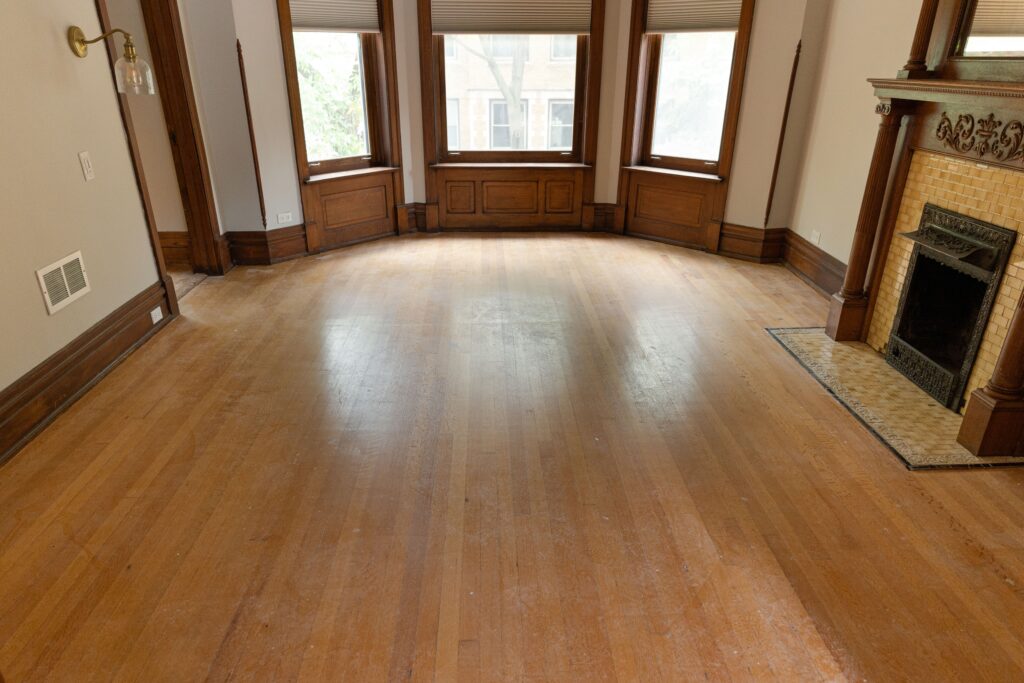
Selecting the right flooring material involves balancing visual appeal, physical durability, moisture exposure, and long-term maintenance requirements. Luxury vinyl flooring (LVP/LVT) and laminate flooring are two of the most popular hard-surface alternatives to natural hardwood and stone. While both materials utilize advanced image-printing technology to replicate natural wood grain and stone textures, their internal compositions differ fundamentally. Luxury vinyl is primarily constructed from synthetic materials engineered for high water resistance, whereas laminate features a high-density wood fiberboard core that responds differently to moisture exposure. Understanding the mechanical, chemical, and environmental differences between luxury vinyl and laminate allows homeowners to make informed investments tailored to specific rooms and household demands.
Key Takeaways
- Core Material: Luxury vinyl relies on synthetic PVC or rigid composite cores (SPC/WPC), while laminate uses a compressed wood-fiber HDF core.
- Water Resistance: Luxury vinyl (especially rigid-core varieties) is 100% waterproof, making it suitable for bathrooms and basements. Laminate offers water resistance on the surface but can swell if moisture reaches its inner wood core.
- Underfoot Feel and Acoustics: Laminate provides a thicker, more authentic wood feel underfoot, whereas luxury vinyl offers flexibility and acoustic dampening when paired with proper underlayment.
- Scratch and Wear Resistance: Both feature protective wear layers, but high-end laminate often provides superior resistance to deep surface scratches from pet claws and heavy foot traffic.
- Maintenance Profile: Luxury vinyl supports wet-mopping and damp cleaning, while laminate requires low-moisture care to avoid swelling at the plank seams.
Structural Composition and Material Engineering
The main difference between luxury vinyl and laminate lies within their core layers, which dictates how each floor performs under stress and humidity.
Luxury Vinyl Flooring (LVP / LVT)
Luxury vinyl consists of multiple synthetic layers, including a protective wear layer, a high-definition printed vinyl design layer, a structural core, and an optional attached underlayment cushion. Rigid-core luxury vinyl incorporates either a Stone Plastic Composite (SPC) core made of natural limestone powder and PVC, or a Wood Plastic Composite (WPC) core containing foaming agents for enhanced comfort. Because these materials contain zero organic wood fibers, luxury vinyl planking does not warp, swell, or disintegrate when submerged in water.
Laminate Flooring
Laminate flooring is constructed with a durable wear layer made of aluminum oxide or melamine resin, a high-resolution photograph of hardwood or stone, a dense High-Density Fiberboard (HDF) core, and a stabilizing backing layer. According to wood material testing standards published by the Forest Products Laboratory (U.S. Department of Agriculture), wood-based fiberboard products naturally expand and contract as ambient relative humidity changes. Consequently, while the top wear layer of laminate is tough and water-repellent, standing water that penetrates the tongue-and-groove joints can cause the inner HDF core to swell permanently.
Room-by-Room Performance and Moisture Handling
Matching the performance characteristics of vinyl and laminate to specific living zones prevents premature flooring failure.
| Performance Metric | Luxury Vinyl (LVP/LVT) | Laminate Flooring |
| Primary Core Material | Synthetic Polymer / Stone-PVC (SPC) | High-Density Wood Fiberboard (HDF) |
| Water Resistance | 100% Waterproof | Water-Resistant (Top surface only) |
| Optimal Installation Zones | Kitchens, Bathrooms, Basements, Laundry Rooms | Living Rooms, Bedrooms, Dining Areas, Hallways |
| Scratch Resistance | Excellent (Varies by wear layer thickness) | Exceptional (Heavy-duty wear coat) |
| Cleaning Method | Damp mopping, neutral cleaners, damp wiping | Microfiber sweeping, specialized low-moisture sprays |
High-Moisture and Sub-Grade Environments
Because basements, bathrooms, and laundry rooms experience high ambient humidity and potential plumbing leaks, luxury vinyl is the industry standard for these zones. Installing standard laminate in areas prone to dampness can lead to board-edge peaking and subfloor mold issues if moisture becomes trapped underneath.
High-Traffic Living Areas
In dry spaces like living rooms, home offices, and dining quarters, laminate flooring excels. Modern premium laminate finishes resist scratch marks from furniture legs, high heels, and pets better than softer vinyl products. According to interior air quality guidelines established by the U.S. Environmental Protection Agency (EPA), both flooring types should be checked for FloorScore or GREENGUARD Gold certifications to ensure low volatile organic compound (VOC) emissions inside enclosed residential spaces.
Installation Requirements, Subfloor Prep, and Care
Achieving a flat, long-lasting surface requires addressing structural subfloor conditions before laying either material.
Subfloor Integrity and Preparation
Both luxury vinyl and laminate are installed as floating floors using click-lock installation mechanisms. However, luxury vinyl—particularly thinner options—is flexible and can telegraph subfloor imperfections, bumps, or dip lines through to the surface. Laminate is thicker and stiffer, allowing it to bridge minor subfloor unevenness. Before installation, inspecting the underlying wood or concrete for levelness, decay, or moisture damage is essential. Addressing sagging structural joists or damaged wood bases ensures that click-lock joints do not separate over time.
Maintenance Protocols
- Luxury Vinyl Care: Sweep or vacuum regularly using a soft-brush attachment. Clean using a microfiber mop dampened with water and a pH-neutral cleaner. Avoid steam mops, as extreme heat can loosen the protective wear layer or distort synthetic planks.
- Laminate Care: Sweep daily to remove abrasive grit and dirt. Clean spills immediately to keep liquids from seeping into seams. Use specialized laminate spray mops that distribute light mist rather than saturated water.
Planning a home upgrade requires coordinating material performance, room moisture levels, and subfloor preparation. For expert material sourcing, full subfloor inspection, and professional installation, partnering with experienced contractors guarantees a clean finish. Revive 360 Renovation offers comprehensive flooring replacement, subfloor repair, and residential interior renovation services designed to bring durability and beauty to your home.
Frequently Asked Questions
Is luxury vinyl flooring completely waterproof?
Yes. Quality luxury vinyl planks made with SPC or WPC cores are 100% waterproof and will not swell, buckle, or degrade when exposed to topical water spills or flood conditions.
Which flooring option looks more like real hardwood?
Laminate often provides a more convincing hardwood look and feel because it is thicker, offers deeper embossed textures, and features a rigid structure similar to natural timber underfoot.
Can you install luxury vinyl or laminate over existing tile?
Yes, provided the tile subfloor is flat, clean, securely bonded, and free of deep grout lines that could show through the new planks. Deep grout lines should be filled with a self-leveling underlayment compound prior to installation.
How thick should the wear layer on luxury vinyl plank be?
For busy residential households with pets and children, a wear layer thickness of 12 mil to 20 mil (mil-inch) is recommended to prevent premature surface scuffing and wear.
Can laminate flooring be steam cleaned?
No. Never use a steam mop on laminate flooring. The combination of intense thermal heat and pressurized moisture forces water vapor deep into the plank seams, causing the inner wood fiber core to swell and warp permanently.
Ready to upgrade your home with durable, expertly installed luxury vinyl or laminate flooring? Contact Revive 360 Renovation today to schedule a floor consultation and transform your space.