
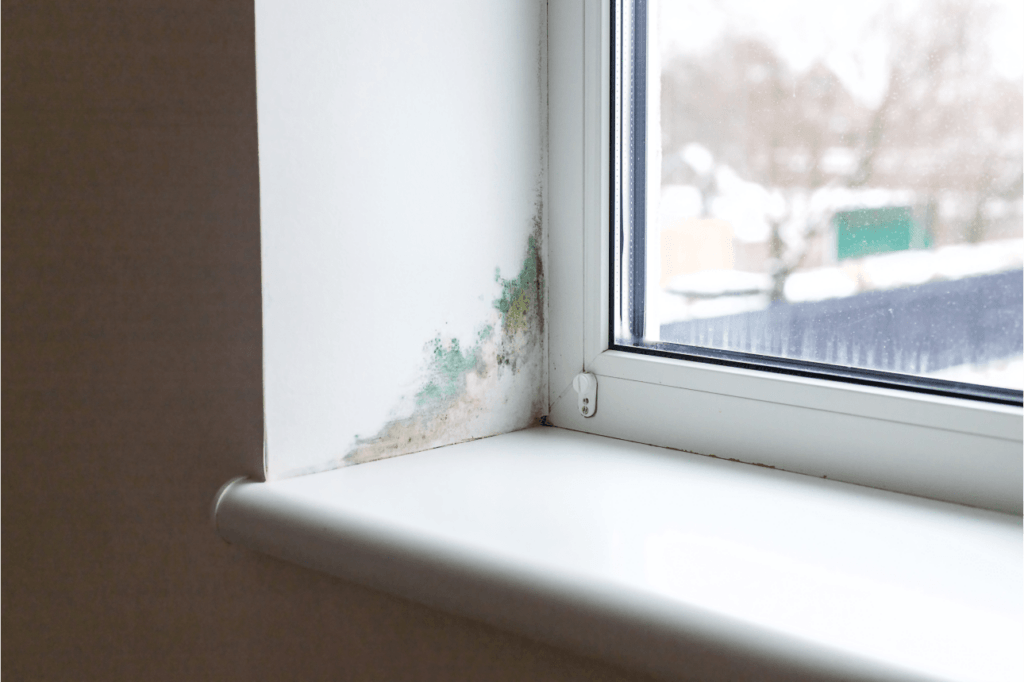
Indoor mold growth poses a serious threat to structural materials, indoor air quality, and human health. Mold spores thrive in damp, dark environments, often taking hold long before visible colonies appear on drywall, subflooring, or framing. Identifying the subtle warning signs early allows homeowners to intervene before widespread contamination requires invasive demolition and expensive structural repairs. Professional mold remediation eliminates active infestations, addresses underlying moisture sources, and restores a clean living environment. Understanding the visual, environmental, and physical indicators helps protect property value and ensure long-term structural safety.
Key Takeaways
- Persistent Musty Odors: An earthy, damp smell often indicates hidden fungal growth behind walls, under floors, or inside HVAC ducts.
- Visible Discoloration: Mold appears in various colors—black, green, white, or velvety patches—on porous building materials.
- Unexplained Health Symptoms: Chronic respiratory irritation, coughing, eye strain, and heightened allergy responses signal poor indoor air quality.
- Past Water Intrusion: Plumbing leaks, basement flooding, roof drips, or high indoor humidity (>50%) create prime breeding conditions for fungal spores.
- Structural Material Failure: Peeling wallpaper, bubbling paint, warped drywall, and spongy subfloors point to severe internal moisture accumulation.
Understanding Indoor Mold and Structural Risk
Fungi play a crucial role in breaking down organic matter in nature, but inside a building, they degrade structural components. According to the U.S. Environmental Protection Agency (EPA), mold spores quickly colonize damp surfaces within 24 to 48 hours of water exposure. When moisture combines with cellulose-based materials like drywall, plywood, and carpet backing, microscopic spores germinate and spread rapidly throughout enclosed spaces.
Ignoring minor signs allows colonies to penetrate deep into porous building framing. Over time, fungal growth breaks down wood fibers, weakening structural integrity while continuously releasing microscopic spores and volatile organic compounds (VOCs) into the air.
Subtle Visual Indicators of Fungal Contamination
Visible mold is the most obvious sign, but fungal growth often presents in subtle, easily overlooked ways.
Discoloration and Surface Spotting
Mold does not always appear as heavy black soot. Fungal species manifest in shades of green, brown, gray, yellow, or fuzzy white patches. On drywall or ceiling tiles, early growth looks like faint water spots, dust accumulation, or speckling around baseboards.
Paint Damage and Wall Distortion
When moisture accumulates behind plaster or sheetrock, it disrupts the adhesive bond of surface finishes. Look closely for:
- Bubbling, blistering, or peeling paint along lower walls.
- Wallpaper lifting at seams or developing yellowish stains.
- Drywall bowing, sagging, or feeling soft to the touch.
Efflorescence vs. White Mold
Concrete and masonry basements often display a white, powdery substance. It is crucial to distinguish between efflorescence (harmless salt deposits left behind by evaporating water) and white mold. Efflorescence dissolves in water and crumbles into fine powder, whereas white mold is an organic fungal growth that grows on organic debris atop masonry surfaces.
Environmental and Olfactory Warning Signs
You do not always need to see mold to know it is present. Environmental cues provide strong evidence of hidden contamination.
Persistent Musty Odors
A continuous, damp, earthy smell that lingers even after thorough cleaning indicates active mold growth behind building assemblies. These odors stem from microbial volatile organic compounds (mVOCs) released by fungi during growth cycles. If an HVAC unit turns on and distributes a stale, sour odor throughout the house, spores may be multiplying inside the ductwork or evaporator coils.
Past Water Leaks and Flooding
Any area subjected to previous water damage carries a high risk of hidden mold growth. Common problem zones include:
- Space under kitchen and bathroom sinks with prior plumbing leaks.
- Basements with poor drainage or foundation cracks.
- Attics affected by ice dams or roof shingle failure.
- Areas surrounding windows with poor exterior flashing.
Condensation and Humidity Imbalance
According to the Centers for Disease Control and Prevention (CDC), maintaining indoor humidity levels below 50% is essential for preventing mold growth. High indoor relative humidity causes condensation on cold surfaces like window panes, metal pipes, and exterior-facing walls, creating ideal micro-environments for fungal spore germination.
Health and Wellness Indicators
Continuous exposure to elevated mold spore counts affects human health. While individuals react differently based on sensitivity, sudden or worsening health issues can indicate elevated indoor spore levels.
- Chronic nasal congestion, sneezing, and runny nose
- Red, itchy, watery, or inflamed eyes
- Unexplained skin rashes or hives
- Frequent headaches or brain fog while indoors
- Wheezing, coughing, or sudden asthma flare-ups
If family members experience relief from these symptoms when leaving the home for extended periods, indoor air contamination is highly likely.
When Professional Mold Remediation Is Necessary
While minor surface mildew on non-porous bathroom tile can often be scrubbed away with household cleaners, true mold infestations demand containment and specialized removal. The EPA recommends professional intervention whenever visible mold covers an area greater than 10 square feet or stems from contaminated water sources.
Professional remediation involves isolating the affected zone under negative air pressure, utilizing HEPA air filtration, removing unsalvageable porous materials, and applying antimicrobial treatments to underlying structural framing.
When structural water damage coincides with mold growth, homeowners benefit from comprehensive restoration services. Revive 360 Renovation delivers complete structural repair, moisture mitigation, and residential renovation solutions to ensure your living spaces remain safe, durable, and healthy.
Frequently Asked Questions
Can I just paint over mold to stop it from spreading?
No. Painting over mold traps moisture without killing the root system (hyphae). The mold will continue breaking down the drywall underneath and eventually push through the new paint layers.
Is black mold more dangerous than other types of mold?
While Stachybotrys chartarum (often called toxic black mold) produces mycotoxins, all high concentrations of indoor mold species pose health risks and can compromise structural building materials.
How do professionals find hidden mold behind walls?
Remediation specialists use non-destructive diagnostic tools, including moisture meters, thermal imaging infrared cameras, and air cavity sampling, to detect moisture pockets and hidden spore concentrations.
Will a dehumidifier kill existing mold growth?
A dehumidifier stops active mold from spreading by reducing relative humidity below 50%, but it does not destroy existing spores or remove dead fungal matter that can still trigger allergic reactions.
How long does a professional mold remediation process take?
Most residential remediation projects take between 1 to 5 days, depending on the containment size, the extent of structural demolition required, and the necessary drying time.
If you suspect hidden mold or require structural repairs following water damage, contact Revive 360 Renovation today to schedule an expert property assessment and restore safety to your home.